Finding binoculars that punch above their price point used to mean sifting through endless spec sheets and conflicting reviews. The good news is that the sub-$200 category has matured into a sweet spot where you can get genuinely sharp optics, sealed waterproofing, and comfortable ergonomics without overspending. Whether you’re tracking warblers at dawn, scanning a coastal horizon, or watching the game from the upper deck, this roundup covers ten models that handle real-world use cases without compromise.
The Shortlist At A Glance

Vortex Diamondback HD 10×42 Binoculars

Bushnell Trophy XLT 10x42mm Waterproof Binoculars


Pankoo 20×55 Binoculars for Adults, Waterproof
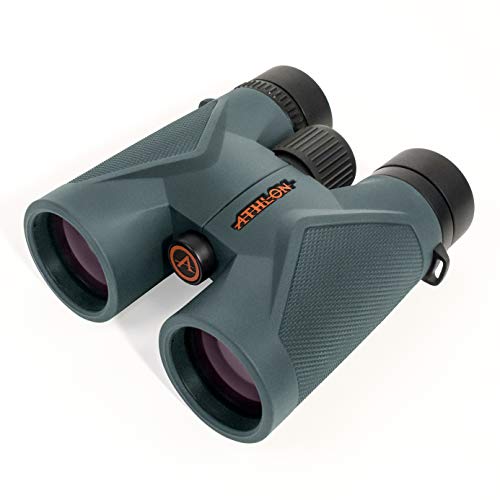
Athlon Optics 8×42 Midas UHD Gray Binoculars

Steiner Marine 7×50 Binoculars, Black

Pankoo 20×55 Binoculars with Phone Adapter

Vortex Crossfire HD 10×42 Binoculars

Vortex Viper HD Roof Prism Binoculars 12×50
Pankoo 20×55 Waterproof and Convenient Binoculars
A Breakdown Of The Leading Choices
The Vortex Diamondback HD lands at the top of this list because it handles the widest range of outdoor situations without fuss. The 10x magnification and 42mm objective lenses gather enough light for dawn hikes and shaded woodland, while the HD optical system pulls colors into a clean, accurate register. Fully multi-coated lenses (multiple anti-reflective coatings on every air-to-glass surface) push light transmission high enough that you won’t constantly be hunting for the brightest viewing angle.
Rubber armor wraps the body for grip and shock absorption, and the sealed construction shrugs off rain and dust. Compared to the Bushnell Trophy XLT below, the Diamondback leans slightly more toward crispness than field width, so detail work at distance feels especially refined.
The Practical Payoff
- HD glass system delivers sharp resolution across the frame, useful for identifying distant birds and shoreline features.
- Argon-purged, O-ring sealed body resists internal fogging during temperature swings from cold mornings to warm afternoons.
- Adjustable eyecups twist up smoothly for eyeglass wearers who need the full field without removing glasses.
- Tripod-adaptable bridge lets you mount to a car window or monopod for long, steady viewing sessions.
Points To Keep In Mind
- At roughly 21 ounces, the chassis sits on the heavier side of full-size binoculars and can fatigue your arms on multi-hour hikes.
- The included neck strap is functional but basic; owners commonly upgrade to a wider padded strap for extended comfort.
Who It Suits Best
Hikers, birders, and casual wildlife observers who want one solid pair that handles varied weather and lighting without juggling multiple models.
Look Elsewhere When
The Steiner Marine 7×50 is a stronger match for boaters and coastal viewers who prioritize raw low-light brightness over magnification reach.
Bushnell’s Trophy XLT is the kind of binocular that disappears into your daypack and gets pulled out for everything from cruise-deck scenery to stadium seats. The 6.2-degree angle of view is generous, meaning you sweep across a wide slice of horizon before needing to recenter. For travelers chasing moving subjects, that wide field reduces the “tunnel vision” feel you get with tighter binoculars.
The waterproof and fogproof sealing handles drizzle, spray, and humid climates without internal condensation. Where the Diamondback leans toward pure optical sharpness, the Trophy XLT trades a touch of edge crispness for a steadier, easier-to-track image, which matters more than specs suggest when you’re panning across a moving crowd or flock.
Where It Helps
- Wide 6.2-degree field of view keeps fast-moving subjects like shorebirds and athletes framed without constant re-aiming.
- Fully waterproof construction tolerates deck spray and tropical rain without performance drop.
- BaK-4 prisms (a high-grade glass that reflects more light than standard glass) keep the image bright right out to the edges.
- Long eye relief accommodates eyeglass wearers, which makes them comfortable for a wider range of travelers.
Trade-Offs To Consider
- The focusing knob is smooth but located closer to the bridge; people with larger hands may need to adjust grip style.
- Coatings are effective but not at the same tier as Vortex HD glass, so low-light edge sharpness trails the Diamondback.
Built With In Mind
Travelers, cruise passengers, and stadium spectators who want a wide, forgiving view of distant scenes rather than extreme magnification.
Swap It Out When
The Vortex Viper HD 12×50 serves long-distance observers who need more magnification power than the Trophy XLT’s 10x can provide.
Vortex positioned the Copperhead HD as a stepping-stone into HD optics without the Diamondback price tag, and the approach largely works. You still get a fully multi-coated HD optical system and the same waterproof, fogproof, shockproof sealing as its pricier sibling. For a first pair of “real” binoculars, the Copperhead covers the essentials without obvious compromises in build quality.
The trade-off shows up in glass quality and chassis refinement. Edge sharpness and color contrast fall a small step behind the Diamondback, and the rubber armor feels slightly less grippy when wet. Still, for casual birdwatching and weekend hikes, the Copperhead is a confident entry point.
Useful Touches
- HD optical system offers noticeably better color fidelity than older non-HD Vortex models in this price range.
- Adjustable eyecups and a side-mounted diopter (a fine-focus adjustment that corrects for differences between your eyes) let you dial in a custom fit.
- Argon-purged and O-ring sealed for rain, fog, and dust resistance in typical outdoor conditions.
- Tripod-adaptable for stable long viewing sessions on a deck or window mount.
Honest Caveats
- Image sharpness drops off near the outer edges of the field compared to the Diamondback.
- Body weight is close to the Diamondback, so it isn’t a lightweight alternative despite the lower tier.
Feature Snapshot
Made For
First-time optics buyers who want HD performance, Vortex reliability, and weather sealing without paying flagship prices.
Reach For A Different Pick When
The Vortex Crossfire HD is the better choice for shoppers wanting a softer learning curve and lighter carry weight.
Pankoo’s 20×55 pushes magnification higher than any 10x model on this list, and that reach comes with real consequences. At 20x, the tiniest hand movement turns into noticeable shake, so these are best paired with a tripod, monopod, or at least a braced position against a railing. The 55mm objective lenses (the large front lenses that gather light) pull in plenty of light, which helps during dawn and dusk viewing.
For open terrain like coastal overlooks, desert flats, and large stadium seats, the magnification reveals detail that 10x binoculars simply flatten out. The catch is a narrower field of view and more demanding stability requirements, so these aren’t the everyday pick for casual woodland walks.
Everyday Wins
- 20x magnification pulls distant landmarks, wildlife, and celestial subjects much closer than standard 10x models.
- 55mm front lenses gather ample light for bright, vivid images in low-angle sun conditions.
- Fully multi-coated lenses with BaK-4 prisms maintain strong contrast across the frame.
- Waterproof construction handles mist, drizzle, and humid environments without issue.
Smaller Limitations
- High magnification amplifies handshake shake; without stabilization, the image can feel jittery.
- Body weight and bulk make these less comfortable for long handheld sessions than the 10x models above.
Best Suited To
Outdoor observers scanning wide-open landscapes, distant landmarks, or large sporting venues where reach matters more than comfort.
Consider Something Else When
The Athlon Optics 8×42 Midas UHD is a steadier, easier-to-handle option for general birding and nature walks.
The Athlon Midas UHD is the lowest-magnification option here, and that’s the point. At 8x, the image stays steady even when kids or less-experienced users are handling the binoculars. The wider field of view, paired with ED glass (extra-low dispersion glass that reduces color fringing), gives you clean color accuracy without the heavy weight that 12x or 20x models demand.
ED glass in this price tier is a notable upgrade because it cuts down on the colored fringing you sometimes see around high-contrast edges, like a dark bird against a bright sky. For shared household use, the 8x power also means grandparents, teens, and younger kids can all hold them steady without frustration.
Why It Works Well
- ED glass minimizes color fringing for cleaner views of high-contrast subjects like raptors against pale skies.
- Lower 8x magnification produces a steadier image that’s easier for beginners and kids to handle.
- Phase-corrected BaK-4 prisms (prisms aligned to reduce internal light scatter) keep contrast strong across the frame.
- Long 17.2mm eye relief is comfortable for eyeglass wearers.
Room For Improvement
- Body weight sits around 25 ounces, slightly heavier than competing 8×42 models.
- Included strap and case are serviceable but basic compared to higher-priced competitors.
Spec Overview
Right Fit For
Households sharing one binocular pair between casual users, kids, and eyeglass-wearing adults who want easy, stable handling.
A Better Fit Elsewhere
The Vortex Viper HD 12×50 suits experienced users wanting more reach for long-distance viewing sessions.
The Steiner Marine 7×50 has earned a long reputation among boaters and coastal users for one simple reason: the 50mm objectives deliver outstanding brightness in low-light conditions, especially the gray half-light before sunrise and after sunset. The 7x magnification is deliberately modest, which keeps the image rock-steady on a pitching deck.
Steiner’s floating prism system uses flexible silicone mounts that absorb shocks better than rigid setups, helping the optics survive the inevitable drops and bumps of marine life. Compared to the Pankoo 20×55 above, the Steiner trades reach for stability and brightness, which is the right call in coastal and marine environments.
Good Reasons To Consider
- Large 50mm objectives excel in low-light marine and dawn viewing conditions.
- Sports auto-focus system keeps distant subjects sharp without constant refocusing.
- Floating prism system cushions impacts better than rigid prism mounts.
- 7x magnification delivers a steady image on moving boats and unstable viewing platforms.
Factors To Consider
- Larger 50mm objectives make the chassis bulkier and heavier than compact 42mm models.
- Marine-focused build means you’re paying for features you may not need on dry land.
Whose Shelf It Belongs On
Boaters, sailors, and coastal viewers who need bright optics in dawn and dusk conditions on unstable platforms.
Skip It When
The Vortex Diamondback HD is a better fit for hikers and birders who want lighter carry weight and tighter optical sharpness.
The Pankoo 20×55 with phone adapter targets a specific crowd: people who want to capture what they see through the binoculars. The included adapter clamps your smartphone over the eyepiece, turning the binoculars into a digiscoping rig (a setup where you photograph distant subjects through optical lenses) for distant subjects like wildlife, aircraft, and stadium events.
Like the other Pankoo 20×55 in this list, you get full multi-coating and BaK-4 prisms for solid contrast and color. The adapter adds versatility for social media and casual nature documentation, though aligning your phone camera with the eyepiece takes a few minutes of patience the first time.
The Helpful Details
- Phone adapter turns long-distance observation into shareable photos and video.
- Long reach up to roughly 1200 yards makes it useful for distant landscape subjects.
- FMC green coatings and BaK-4 prisms keep colors accurate for recorded footage.
- Budget-friendly option for casual creators exploring digiscoping without a major investment.
Practical Considerations
- Adapter alignment can be finicky; you may find yourself readjusting the phone clamp between shots.
- 20x magnification amplifies handshake shake during handheld recording, so a tripod improves results significantly.
Who Should Grab It
Casual content creators and hobbyists who want to photograph distant subjects through their binoculars without buying a dedicated camera setup.
Where Another Pick Suits Better
The Vortex Viper HD 12×50 is the stronger choice for viewers focused purely on visual observation rather than phone capture.
The Vortex Crossfire HD is the gateway model in Vortex’s lineup, and it covers the basics with surprising polish. The HD optical system delivers resolution that’s noticeably better than older non-HD Crossfire models, while the included GlassPak harness (a wearable carry system that keeps the binoculars on your chest for quick access) makes them comfortable to wear on long walks.
Where the Diamondback sharpens every detail to a fine edge, the Crossfire aims for a balanced, forgiving image that rewards casual observation. For first-time optics shoppers, that balance matters more than peak performance.
Strong Points
- HD optical system upgrades clarity over older non-HD Crossfire versions.
- Included GlassPak harness keeps the binoculars accessible and protected during hikes.
- Waterproof and fogproof sealing handles rain and temperature shifts.
- Comfortable eye relief accommodates eyeglass wearers without vignetting (darkening around the edges of the view).
Less Ideal Details
- Glass quality trails the Diamondback HD at the edges of the field.
- Body weight is comparable to other full-size 42mm binoculars, which may tire smaller users.
Quick Facts
Perfect Match For
First-time optics shoppers and casual nature watchers who want a forgiving, well-rounded binocular without complexity.
Not Your Match When
The Vortex Viper HD 12×50 is worth the upgrade for users who want more magnification and premium optical polish.
The Viper HD sits in the upper tier of this roundup, and the price reflects the upgrade. The 12x magnification pulls subjects closer than any 10x model here, while the 50mm objectives keep light transmission strong for the higher-power image. The HD optical system delivers the edge-to-edge clarity that Vortex reserves for its premium lines.
Build quality is also a step up, with a notably compact chassis for a 12×50. The included GlassPak chest harness adds field convenience. For users ready to invest in their first “serious” binocular, the Viper HD delivers without jumping into flagship pricing.
What Helps Most
- 12x magnification reveals fine detail at long distances for serious wildlife observation.
- 50mm objectives maintain bright images despite the higher power.
- Compact chassis for a 12×50 keeps carry weight manageable on long outings.
- HD optical system delivers consistent sharpness across the frame.
Things To Weigh Up
- 12x magnification amplifies handshake shake; tripod use is recommended for extended sessions.
- Higher price point means less room in the budget for accessories.
Who Will Love This
Experienced outdoor enthusiasts, hunters, and birders who want premium optics and don’t mind paying for the upgrade.
Another Choice May Suit
The Vortex Diamondback HD is the better fit for users wanting 10x versatility at a friendlier entry price.
Pankoo’s third entry in this list targets buyers who want long-distance reach at the lowest possible cost. The 20×55 configuration mirrors the other Pankoo models above, with BaK-4 roof prisms and fully multi-coated lenses (multiple anti-reflective coatings applied to every glass surface) that push light transmission high. For backyard stargazing, distant wildlife scanning, or large-venue viewing, the magnification is generous.
The honest read is that you’re trading optical refinement and chassis quality for reach and price. Image sharpness and color accuracy trail the Vortex models, but for casual use where extreme detail isn’t critical, this Pankoo covers the basics at a fraction of the cost.
The Upside
- 20x magnification offers long reach at a budget-friendly price point.
- BaK-4 roof prisms with FMC coatings maintain reasonable contrast for the tier.
- Waterproof sealing handles outdoor conditions without issue.
- Simple operation makes these approachable for occasional users.
Some Limits To Know
- Image sharpness and color fidelity trail the Vortex models in side-by-side viewing.
- Build quality and rubber armor feel less refined than premium competitors.
- Handheld stability at 20x is challenging, so tripod use is essentially required for clean views.
Made For
Casual backyard viewers and first-time buyers who want long-distance reach without spending on premium optical systems.
Not Your Match When
The Vortex Copperhead HD is a smarter pick for users wanting better color accuracy and overall optical quality at a similar feature tier.
What To Weigh Before Buying Binoculars Under 200
Magnification and objective lens size are the first numbers you’ll see, but they tell only part of the story. A 10×42 configuration is the most versatile starting point for general outdoor use because it balances reach with enough light-gathering for dawn, dusk, and shaded woodland. Higher magnification like 12x or 20x pulls subjects closer but amplifies handshake shake, which makes stabilization (a tripod, monopod, or braced position) more important than specs suggest.
Optical coatings matter more than most buyers expect. Fully multi-coated lenses apply anti-reflective coatings to every air-to-glass surface, which directly improves brightness, contrast, and color accuracy. ED glass (extra-low dispersion) reduces color fringing around high-contrast edges, while BaK-4 prisms keep the image bright across the full field rather than dimming at the edges.
Weather sealing determines how much abuse your binoculars can take. Waterproof and fogproof construction, typically achieved with O-ring seals (rubber gaskets that keep moisture out) and argon or nitrogen purging (inert gas fills that prevent internal fogging), matters if you hike in rain, boat in spray, or move between temperature extremes. For purely fair-weather use, you can prioritize optical quality over sealing, but for travel and outdoor adventure, sealing is worth the investment.
Eye relief and weight round out the practical considerations. Long eye relief (the distance your eye can sit behind the eyepiece while still seeing the full image) matters for eyeglass wearers, and lighter chassis weight matters for long handheld sessions or backcountry trips where every ounce counts.
Key Takeaways Across This Lineup
Mistakes Worth Dodging
Chasing the highest magnification number is the most common slip-up in this category. A 20x binocular sounds impressive on paper, but without stable hands or a tripod, the image becomes a shaky mess that frustrates more than it helps. Match magnification to your use case: 8x or 10x for hiking and birding, 12x or higher for stationary long-distance observation.
Overlooking eye relief is another quiet trap. If you wear glasses, short eye relief creates a dark ring around the edge of your view, which undermines the whole point of buying better optics. Look for 15mm or more of eye relief, or models with adjustable twist-up eyecups that let you dial in the right distance.
When Paying More Pays Off
Premium models in this price range typically deliver better optical coatings, ED glass, and tighter manufacturing tolerances. The difference shows up in edge-to-edge sharpness, color fidelity in challenging light, and overall mechanical refinement. Higher-tier buys like the Vortex Viper HD also tend to include better carry harnesses and longer-lasting rubber armor, which adds real value over years of use rather than months.
For occasional casual use, a budget-friendly model gets the job done. For regular outdoor time, hunting, or serious birding, the upgrade to HD optics and premium coatings pays back in viewing comfort and identification accuracy.
Frequently Asked Questions
What magnification is best for general outdoor use?
A 10×42 configuration is the most versatile starting point for hiking, birding, and general wildlife observation. The 10x magnification provides solid reach without overwhelming handshake shake, and the 42mm objective lenses gather enough light for dawn, dusk, and shaded woodland viewing.
Are waterproof binoculars worth the extra cost?
Waterproof and fogproof sealing is worth the investment if you spend time in rain, humidity, or temperature-variable environments. O-ring seals and nitrogen or argon purging prevent internal fogging and moisture damage, which extends the lifespan of your optics significantly.
What is ED glass and do I need it?
ED glass (extra-low dispersion) reduces color fringing around high-contrast edges, like a dark bird against a bright sky. You need it if you frequently view high-contrast subjects or want cleaner color accuracy in challenging lighting, but it’s less critical for casual daytime observation.
Can I use high-magnification binoculars without a tripod?
You can use 12x or 20x binoculars handheld, but the image will shake noticeably. Bracing against a tree, railing, or your own body helps. For extended viewing at 16x or higher, a tripod or monopod dramatically improves the experience and reduces eye fatigue.
How do I clean binocular lenses safely?
Use a soft lens brush or blower to remove dust, then a lens cleaning solution applied to a microfiber cloth (never directly to the lens). Wipe gently in a circular motion. Avoid household cleaners, paper products, and excessive pressure, which can damage lens coatings.
The Takeaway
The right pair of binoculars comes down to matching magnification, optical quality, and weight to how you actually spend your time outdoors. Birders and hikers tend to thrive with a solid 10×42, while boaters, stadium-goers, and long-distance observers have clear use cases for higher magnification and brighter optics. Use the lineup above as a starting point, match it to your real-world scenarios, and you’ll land on a pair that earns its place in your pack for years to come.