You don’t need to empty your wallet to spot a buck at the tree line. The binocular market has shifted hard in the last few years, and plenty of sub-$300 optics now deliver glass that punches well above what their price tags suggest. This roundup walks through ten solid budget-friendly options for hunters, breaking down who each one suits best so you can match the right pair to your terrain, your typical light conditions, and the kind of game you’re after.
The Leading Options At A Glance

Vortex Diamondback HD 10×42 Binoculars
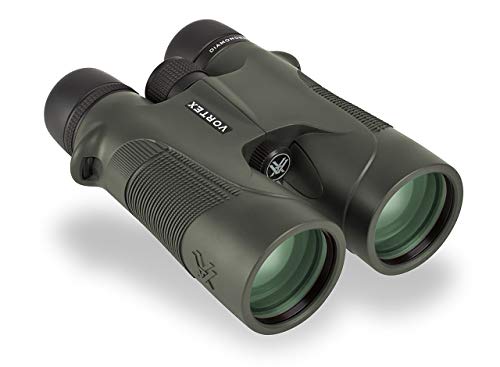
Vortex Diamondback 10×50 Roof Prism Binocular

Vortex Razor HD Roof Prism Binoculars

Bushnell 10x42mm Trophy XLT Binoculars

Vortex Copperhead HD 10×42 Binoculars
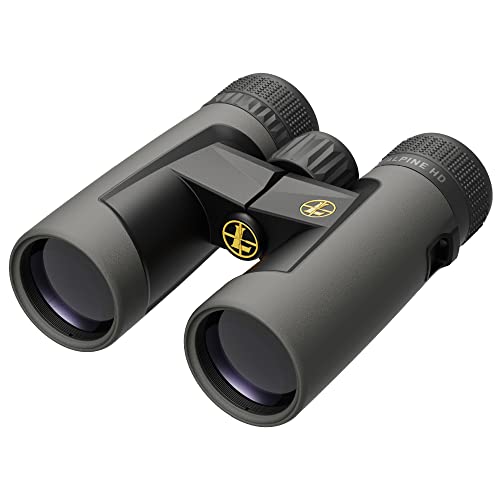
Leupold BX-2 Alpine HD 10x42mm Binoculars
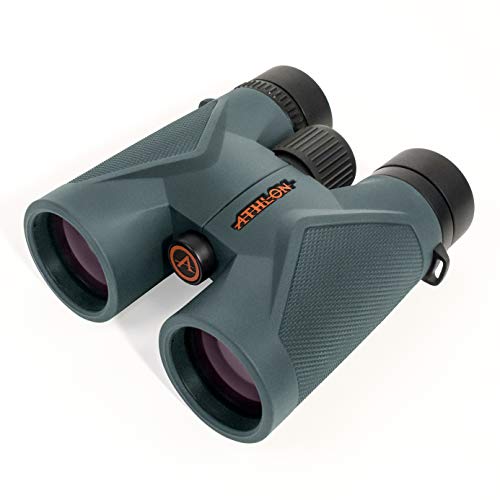
Athlon 8×42 Midas UHD Binoculars

Steiner Marine 7×50 Binoculars

Vortex Crossfire HD 10×42 Binoculars

Vortex Viper HD 12×50 Binoculars
A Breakdown Of The Leading Choices
The Diamondback HD sits in that sweet spot where you stop reading spec sheets and start looking through them. With 10x magnification and 42mm objective lenses, it pulls in distant details without the handshake-shake that comes with higher powers. The fully multi-coated lenses are designed to push more light to your eye, which matters when a deer slips out of a shadow line at last light.
Compared to the Crossfire HD below, the Diamondback HD steps up in optical refinement while keeping the same familiar 10×42 footprint. It handles morning fog and afternoon glare with equal composure, and the rubber armor survives pack-hauling abuse. For most whitetail hunters working mixed terrain, this is the pair that disappears in your hands and lets you focus on the woods.
Real Benefits
- Select glass elements reduce color fringing, so edges stay clean around branches and backlit antler tines.
- Fully multi-coated lens system brightens low-light scenes for those final thirty minutes of legal shooting time.
- O-ring sealing keeps dust and unexpected drizzle out of the prism housing during long sits in the rain.
- 42mm objectives balance light gathering with a manageable chassis weight for glassing all day from a saddle or blind.
Points To Keep In Mind
- 10x magnification amplifies hand tremor, so tripod use helps when scanning across long valleys.
- The included neck strap is functional but tends to need upgrading for sustained all-day carry.
Key Specs
Whose Stand It Belongs On
Whitetail and western hunters who want one reliable pair that handles dawn patrols, midday glassing sessions, and everything between without compromise.
Consider Something Else When
Reach for the Vortex Viper HD 12×50 if you spend most of your time in wide-open country where extra magnification matters more than low-light edge performance.
Where the 10×42 Diamondback HD focuses on balance, this 10×50 sibling leans hard into the dawn and dusk hours that matter so much for hunters. The larger 50mm objective lenses gather noticeably more light, which translates into a brighter image when the sun sits low or hides behind cloud cover. Phase-corrected prisms work alongside the multi-coated optics to keep contrast sharp across the full field of view.
The chassis is bulkier than the 42mm version, so expect a heavier pack presence. Still, for hunters who glass at first light or push into the last legal minutes, that extra aperture is worth every added ounce. Think of it as a specialized tool rather than a generalist.
Well-Handled Touches
- 50mm objectives pull in significantly more light for the dim windows when big game moves most.
- Phase-corrected prisms sharpen contrast across the entire image, not just the center.
- Soft tapered eyecups reduce fatigue during long glassing sessions at dawn.
- Rugged rubber armor handles the knocks of scrambling through tight draws and blowdowns.
Honest Caveats
- The larger objective adds noticeable weight, which becomes tiring on long hikes without a harness.
- Field of view is generous but the overall size makes them awkward for one-handed use from a tree saddle.
The Right Fit For
Hunters who prioritize the final hour of legal light, run stand setups on field edges, or chase hogs and coyotes after sunset.
Skip It When
The Steiner Marine 7×50 makes more sense if you regularly hunt from a boat or spend hours in steady rain where a floating chassis matters more than magnification.
The Razor HD represents Vortex’s high-tier offering, and the moment you pick it up, the difference is obvious. The magnesium chassis cuts weight without sacrificing rigidity, and the open-hinge design gives the binoculars a slimmer profile in your pack. At 12×50, this pair is built for hunters who need reach, whether that’s picking out sheep on a far ridge or evaluating a buck’s antlers across a canyon.
Premium anti-reflective coatings push brightness during critical low-light windows, and the locking right-eye diopter lets you dial in precise focus for your particular vision. Compared to the Diamondback HD above, you’re paying for tighter tolerances, lighter materials, and noticeably better edge clarity. For serious hunters who glass hard, the Razor earns its place.
What It Does Well
- Hand-selected prisms and HD glass deliver crisp resolution from center to edge of the field.
- Magnesium open-hinge chassis keeps weight down for a full-size 12×50 binocular.
- Plasma-applied coatings boost brightness in those low-light windows that decide hunts.
- Argon purging and Armortek exterior coating protect against moisture and lens scratches over years of hard use.
Trade-Offs
- 12x magnification amplifies shake enough that a tripod or monopod becomes practical for serious scanning.
- The premium build commands a noticeable price jump over the Diamondback HD.
Core Details
Best Suited To
Western big-game hunters chasing elk, sheep, or mule deer across open country where glassing distance determines success.
A Better Fit Elsewhere
The Athlon 8×42 Midas UHD makes more sense for run-and-gun whitetail hunters who want steadier views during long walking stalks.
Bushnell’s Trophy XLT line has earned a reputation as a dependable do-it-all binocular, and this 10×42 model is the most versatile flavor in the family. The wide angular field of view makes scanning open terrain and tight timber both feel natural. Waterproof and fogproof construction keeps the optics clear when weather rolls in mid-hunt.
The Trophy XLT lands in the budget category by trading some of the high-end glass treatments found on the Vortex Razor HD for a more accessible price. For most everyday hunting situations, the image quality holds up well, and the rugged build handles whatever the field throws at it. It’s the kind of binocular that fits a wide range of hunters without overcomplicating the choice.
The Case For It
- Wide field of view makes spotting movement easier across both open country and dense edges.
- Waterproof, fogproof build shrugs off rain, snow, and cold-morning temperature swings.
- 10×42 configuration covers the most common hunting scenarios without forcing compromises.
- Multi-coated lenses produce a clean, contrasty image at a price most hunters can justify.
Points To Note
- Low-light performance trails the 50mm Vortex Diamondback when hunting the final minutes of legal light.
- Body ergonomics favor larger hands, so smaller-framed hunters may want to handle one in person before committing.
Made For
Hunters who want one dependable pair that handles deer camps, trail hikes, and weather changes without specialized tuning.
Reach For A Different Pick When
The Vortex Copperhead HD is a stronger match if you hunt primarily in low-light situations and want HD glass at a similar price point.
The Copperhead HD slots into Vortex’s lineup as a friendlier entry point for first-time buyers, and it brings the brand’s HD optical system down to a friendlier price. Color fidelity and edge sharpness benefit noticeably from the upgraded glass, especially compared to older non-HD models at this level. Adjustable eyecups and a tunable diopter make it easy to dial in a comfortable view, even for glasses wearers.
Compared to the Vortex Crossfire HD below, the Copperhead steps up in clarity while keeping the same accessible feel. It also serves nicely as a backup pair for hunters who already own a flagship setup but want something tough to toss in a truck or ATV. For new hunters building their kit, the Copperhead delivers Vortex’s core quality without the Diamondback HD’s higher cost.
Strong Points
- HD optical system improves color and sharpness over older non-HD designs in the same price bracket.
- Adjustable eyecups and diopter accommodate glasses wearers and varying eye relief needs.
- Waterproof, fogproof, and shockproof construction handles weather swings and accidental drops.
- Compact 10×42 form factor stays comfortable during long sessions in the field.
Room For Improvement
- Eye relief is tighter than premium models, so extended glassing with glasses may feel cramped.
- Coatings are less advanced than the Diamondback HD, so brightness in deep shadow falls slightly behind.
Who Should Grab It
First-time hunters building a kit, or experienced hunters who need a tough, affordable second pair for the truck or base camp.
Where A Sibling Pick Shines
The Vortex Diamondback HD is a stronger choice if you spend more time glassing at dawn or want the brighter image that full multi-coating provides.
The BX-2 Alpine HD earns its name by staying light enough to forget you packed it. The open-bridge, roof prism design trims weight and gives the chassis a slimmer hand-feel than closed-bridge competitors. Leupold’s fully multi-coated lens system keeps the image bright enough for low-light glassing, and the BAK4 prisms deliver a clean exit pupil with minimal edge distortion.
This is the pair for hunters covering ground. If you’re packing into a wall tent, working a ridgeline, or just tired of a heavy neck, the BX-2 Alpine HD answers with a thoughtful ergonomic design. The shadow gray finish stays understated in the field, and Leupold’s customer support backs the build for the long haul.
Practical Advantages
- Open-bridge design keeps the binocular lightweight and easy to grip with cold or gloved hands.
- Fully multi-coated lens system maximizes brightness during dim morning hunts.
- BAK4 prisms produce a round exit pupil with crisp edge-to-edge clarity.
- Waterproof and fogproof sealing handles rain, snow, and mountain weather changes.
Practical Considerations
- 10×42 image quality falls slightly behind the Vortex Diamondback HD in side-by-side sharpness tests.
- Open-bridge design exposes more of the central hinge to dust and grit over years of heavy use.
Feature Snapshot
Who Will Love This
Backcountry hunters logging long miles who want a binocular that disappears in the pack and stays comfortable around the neck all day.
Not Your Match When
The Vortex Viper HD 12×50 is the better tool for hunters who need extra magnification across open prairie or mountain basins.
The Midas UHD drops to 8x magnification, which sounds modest until you glass through one. ED (extra-low dispersion) glass reduces chromatic aberration, so branch lines and antler tines stay clean even at the edges. The 17.2mm eye relief is generous enough for glasses wearers, and the wide field of view (426 feet at 1,000 yards) makes tracking moving animals noticeably easier.
Compared to the 10x models above, the 8x configuration sacrifices some reach but gains steadiness in the image. For hunters who glass on the move, hunt from saddles, or just prefer a calmer view, the Midas UHD hits a sweet spot. It’s also a strong choice for younger hunters learning to spot game, since hand shake matters less at lower magnification.
Useful Highlights
- ED glass cuts color fringing, so high-contrast edges stay clean in mixed forest light.
- Wide field of view helps track moving deer and turkeys without losing them.
- 8x magnification keeps the image steady without a tripod, even from a standing position.
- Phase-corrected BAK4 prisms deliver sharp contrast across the full viewing area.
Worth Bearing In Mind
- 8x reach falls short when scanning wide western basins or open prairie at long distances.
- Slightly heavier than competing 8×42 designs, which adds up on multi-day trips.
Quick Facts
Perfect Match For
Hunters who glass from saddles, stalks, or moving vehicles and want a steadier image than 10x models can offer.
Swap It Out When
The Vortex Razor HD 12×50 is a stronger pick if your hunting grounds span wide-open terrain where reach outweighs the need for image stability.
Steiner’s Marine series carries a reputation for surviving the worst weather conditions afloat, and that toughness translates directly to wet, sloppy hunts. The floating prism system uses silicone mounts that absorb shock far better than traditional rigid setups. Drop these in a swamp, and the optics stay aligned. The 7×50 configuration gives up magnification for a wide, bright image, with a generous 356-foot field of view at 1,000 yards.
Sports Auto Focus keeps things sharp from about 20 yards to infinity without constant refocusing. Hunters who work flooded timber, coastal marshes, or boat-based waterfowl setups will appreciate the brightness of those big 50mm objectives. It’s a niche pick, but the right niche if your hunting involves water in any meaningful way.
Practical Pluses
- Floating prism system with silicone mounts absorbs impact without losing optical alignment.
- 7×50 optics produce a bright, wide image ideal for spotting game across open marshes and shorelines.
- Sports Auto Focus maintains sharp view from 20 yards out without constant adjustment.
- Marine-grade construction handles rain spray, fog, and rough handling on boats and ATVs.
Possible Compromises
- 7x magnification feels limiting for hunters glassing across wide ridges or open country.
- The 7×50 chassis is heavier than most hunting-specific 10×42 designs, weighing down long walks.
Right Fit For
Waterfowl hunters, coastal hunters, and anyone whose hunting regularly puts them near water where durability matters more than reach.
Look Elsewhere When
The Leupold BX-2 Alpine HD 10×42 makes more sense if your hunting stays on dry land and demands less weight for long miles.
The Crossfire HD is the most affordable path into Vortex’s HD glass family, and it bundles a GlassPak chest harness with the binocular, which is a real bonus for hunters who want quick deployment from a saddle or treestand. HD optical elements deliver better resolution than older non-HD Crossfire models, and the rugged rubber armor keeps the chassis protected through scrapes and drops.
Compared to the Copperhead HD above, the Crossfire HD trades a touch of optical refinement for a noticeably lower price point. It’s the right pick for hunters who want Vortex’s warranty and build quality without stretching the budget, or as a backup pair for the truck, ATV, or guest cabin. For most everyday hunting situations, the Crossfire HD delivers more than enough image quality.
Standout Benefits
- HD optical elements sharpen resolution over older non-HD designs in the budget category.
- Included GlassPak chest harness lets optics deploy quickly and ride comfortably.
- Waterproof and fogproof sealing handles morning frost and unexpected rain.
- 10×42 configuration covers the most common hunting ranges without specialized compromises.
Some Limits To Know
- Low-light brightness trails the Vortex Diamondback HD when hunting the last hour of legal light.
- Plastic focus wheel feels less refined than higher-tier Vortex models under gloved hands.
Built With In Mind
Budget-conscious hunters, first-time buyers, or anyone wanting a reliable backup pair that still benefits from HD glass.
Another Choice May Suit
The Bushnell Trophy XLT is worth considering if you want a similarly priced pair from a different brand with a wide field of view.
The Viper HD hits a sweet spot for hunters who want serious magnification without jumping to flagship prices. At 12×50, you can count antler points on a buck across a wide meadow or evaluate a ram’s curl from a distant ridge. The HD optical system delivers strong color fidelity and edge-to-edge clarity, and the chassis stays lighter than most full-size 12×50 competitors, which matters during long hikes.
The included GlassPak harness keeps the binoculars accessible without neck strain. Where the Razor HD above pushes premium magnesium construction, the Viper HD uses a more accessible build that still handles weather and abuse well. For open-country hunters running spot-and-stalk tactics, the Viper HD gives you reach where it counts.
The Value In It
- 12x magnification reaches further than typical 10x hunting binoculars for open-country spotting.
- HD optical system delivers sharp resolution and accurate color reproduction across the image.
- Lightweight for a 12×50 chassis, so it carries comfortably on long stalks.
- GlassPak chest harness included for quick deployment and reduced neck fatigue.
Details To Watch
- 12x magnification amplifies hand tremor, making a tripod or monopod helpful for serious scanning.
- Build quality falls slightly behind the Vortex Razor HD in long-term durability under heavy use.
Feature Rundown
Whose Pack It Belongs In
Hunters working open prairies, western basins, or any terrain where glassing distance decides whether you fill a tag.
Consider Something Else When
The Athlon 8×42 Midas UHD is the smarter pick for hunters who prefer a steadier, wider view during close-quarters whitetail encounters.
How To Match Binoculars To Your Hunt
Choosing the right pair starts with the terrain you actually hunt. Whitetail hunters working dense timber and food plots benefit more from a wider field of view than extra magnification, since game often appears at shorter distances through tangled branches. Open-country hunters chasing elk, sheep, or pronghorn need reach, which means 12x or higher magnification paired with a steady tripod or monopod becomes essential.
Magnification and objective lens size always work together. The first number (10x, 12x) tells you how much closer the image appears, while the second number (42mm, 50mm) indicates how much light the binocular gathers. Larger objectives brighten the image at dawn and dusk, but they also add weight and bulk. For most hunters, a 10×42 setup handles roughly 80% of hunting scenarios, while 12×50 models earn their place in wide-open terrain.
Eye relief matters more than many shoppers realize. If you wear glasses, look for 15mm or more of eye relief so the full field of view stays visible without pressing the ocular lenses against your frames. Coatings also vary widely between budget and mid-tier options. Fully multi-coated lenses (where all air-to-glass surfaces receive anti-reflective treatment) outperform partially coated optics in low light, which is the prime hunting window for most game animals.
Key Considerations Across These Picks
Wrong Turns To Avoid
One common slip-up is buying too much magnification for the hunting you actually do. A 12x binocular sounds impressive, but in tight cover it makes scanning harder and image shake worse. Another mistake is overlooking eye relief, especially for glasses wearers who end up with a frustrating black ring around the field of view. Skipping the weatherproofing rating is also tempting at lower prices, but hunting means wet mornings, cold fingers, and the occasional drop into a creek. Fogproof and waterproof construction pays for itself the first time weather turns ugly mid-hunt.
Where The Extra Money Goes
The jump from budget to mid-tier binoculars usually shows up in three places: glass quality, prism correction, and chassis materials. Premium HD or ED glass reduces color fringing and boosts edge sharpness, so high-contrast scenes stay clean. Phase-corrected prisms improve contrast over standard designs, especially toward the edges of the image. Magnesium or premium polymer chassis cut weight without sacrificing rigidity, which matters on multi-day hunts. For hunters who glass for hours each session, those upgrades translate into less eye fatigue and more confident identification at distance.
Frequently Asked Questions
What magnification works best for hunting?
For most hunting scenarios, 10×42 binoculars offer the best balance of reach, brightness, and manageable weight. Open-country hunters benefit from 12×50 models, while those working dense timber often prefer 8×42 for the steadier image and wider field of view.
Is it worth paying more for HD or ED glass?
Yes, especially if you hunt at dawn or dusk. HD (high-density) and ED (extra-low dispersion) glass reduce color fringing around high-contrast edges, so antler tines and branches look cleaner. The improvement is subtle in midday sun but obvious in the dim hours when game moves most.
How important is waterproofing for hunting binoculars?
Very important. Hunting puts optics through morning dew, rain, snow, and the occasional accidental drop into water. Waterproof and fogproof sealing (typically via O-rings and nitrogen or argon purging) protects internal lenses from moisture damage and internal fogging during temperature swings.
Can budget binoculars really compete with expensive ones?
For most hunting scenarios, modern budget optics deliver impressive performance. The biggest differences between budget and premium pairs show up in low-light brightness, edge sharpness, and chassis weight. If your hunting stays in moderate light at typical ranges, a well-chosen budget pair performs admirably.
Should I use a tripod with my hunting binoculars?
A tripod or monopod becomes helpful above 10x magnification, especially for long glassing sessions or hunters over 50 who experience hand tremor. For 8x or 10x models, a chest harness often provides enough stability without adding pack weight.
Final Verdict
Budget binoculars for hunting have come a long way, and any of the ten pairs here will serve you well if matched to your terrain and style. Start with the magnification that fits your typical hunting distances, prioritize waterproofing and decent eye relief, and spend the rest of your budget on the best glass you can afford. The right pair is the one you’ll actually carry into the woods.