Shooting after sunset or in a dim restaurant is one of photography’s oldest headaches, and a pricey full-frame body is not the only path past it. Plenty of wallet-friendly point-and-shoots pack bright lenses, larger sensors, and image stabilization that quietly rescue tricky scenes. The picks below cover travel, vlogging, beginners, and casual shooters who want better low-light photos without a second mortgage.
How The Shortlist Stacks Up
Sony ZV-1F Compact Digital Camera 4K
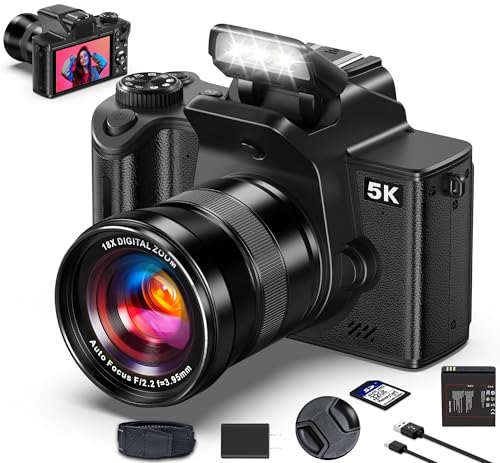
banflower 5K Digital Camera 80MP WiFi
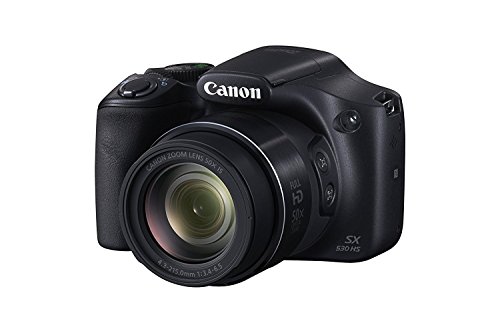
Canon PowerShot SX530 50X Optical Zoom

Sony ZV-1F Vlogging Camera with GP-VPT3 Grip

Sony DSC-W710 16 MP Digital Camera Silver

KODAK PIXPRO FZ55 16MP Bundle with 32GB Card

ocxu Digital Camera for Kids and Beginners

Saneen 8K Digital Camera for Photography and Vlogging

HOTU Mini Keychain Digital Camera Pink

Panasonic LUMIX FZ300 12.1MP 4K Splashproof
Why These Options Stand Out
The Sony ZV-1F sits in a sweet spot for vloggers who shoot in tight indoor spaces. Its large 1-inch sensor pulls in more light than typical point-and-shoots, while the fixed F2 lens keeps the aperture wide open for dim cafes or evening street scenes. Compared to the older Sony DSC-W710 covered later, this is a meaningful leap in low-light capability.
For content creators filming solo, the wide 20mm lens means you stay in frame without contorting your arm. Eye-detection autofocus handles moving subjects, so casual portraits look intentional without manual fiddling. It records 4K video for sharp footage and slips into a jacket pocket when you’re done shooting.
Noteworthy Benefits
- Large 1-inch sensor that gathers significantly more light than typical compact cameras
- Bright F2 aperture keeps shutter speeds usable in dim venues
- Wide 20mm focal length frames handheld vlogs comfortably
- 4K video recording supports content creators building a channel
- Compact body weighs little, so it travels without bulk
Worth Noting
- Fixed lens limits creative zoom compared to the Canon PowerShot SX530’s 50x reach
- Battery life drains faster during 4K recording sessions
Best Suited To
Vloggers, online content creators, and solo creators who film frequently indoors or after dark.
Consider Something Else When
Wildlife and outdoor shooters who need reach should consider the Panasonic LUMIX FZ300 for its 24x zoom and weather-sealed body.
Banflower’s 5K vlogging camera aims at beginners who want modern specs without the premium price tag. The built-in WiFi makes phone transfers painless, so nightly uploads happen without a computer. It pairs well with casual creators dipping a toe into content making.
The 18x digital zoom brings distant subjects closer, though image quality softens at the long end. Autofocus and a one-touch macro mode cover most everyday situations, from kitchen close-ups to backyard portraits. The plastic shell feels lightweight in the hand, which makes longer shoots less tiring.
The Practical Payoff
- 5K resolution gives extra cropping room when editing
- WiFi transfer speeds up social media uploads for casual creators
- One-touch macro handles small product shots without lens swapping
- Beginner-friendly menus reduce the learning curve
Trade Offs
- Digital zoom cannot match the optical reach of a Canon PowerShot SX530
- Low-light performance lags behind larger-sensor rivals like the Sony ZV-1F
- Plastic body needs careful handling to avoid scuffs over time
Whose Shelf It Belongs On
Budget-conscious creators, students, and casual vloggers exploring content creation without a big investment.
Reach For A Different Pick When
Creators prioritizing true low-light clarity should consider the Sony ZV-1F for its larger sensor and brighter lens.
The Canon PowerShot SX530 leans hard into telephoto reach, offering 50x optical zoom that pulls distant subjects into the frame. Travelers chasing wildlife or sports fans at the stadium find genuine value in that range. The ergonomic grip sits comfortably during long zoom sessions.
Image stabilization helps tame handshake at the long end, where small movements get magnified. Built-in WiFi and NFC let you push photos to a phone without cables, and full HD video at 30p handles casual recording. The 16-megapixel CMOS sensor holds up well in daylight, though dim indoor scenes get noisy without flash.
Positive Takeaways
- Massive 50x optical zoom range captures distant subjects cleanly
- Optical image stabilization reduces blur at telephoto lengths
- WiFi and NFC simplify photo sharing from the field
- Comfortable grip supports extended handheld shooting
Honest Caveats
- Small sensor struggles in dim venues compared to the Sony ZV-1F’s 1-inch chip
- Body is bulkier than pocket-friendly vlogging options
- Autofocus can hunt during low-light indoor scenes
The Right Fit
Travelers, sports spectators, and amateur wildlife photographers who prioritize reach over pocket size.
Look Elsewhere When
Filmmakers and vloggers needing brighter low-light video should consider the Sony ZV-1F bundle for its wide lens and tripod grip.
This bundle pairs the Sony ZV-1F body with the GP-VPT3 shooting grip and tripod, ready for handheld and stationary filming out of the box. Creators who film talking heads or walking tours get a stable setup without buying accessories separately. It builds on the standard ZV-1F reviewed earlier by adding shooting flexibility.
The grip doubles as a tabletop tripod, useful for product reviews and static shots. Wireless remote control via the grip keeps you out of frame during solo recordings. Same large 1-inch sensor and wide F2 lens deliver consistent low-light performance across both ZV-1F options.
What Pays Off
- Included grip and tripod remove the need for separate accessory purchases
- Wireless remote on the grip supports hands-free recording
- Same bright 1-inch sensor handles dim interiors reliably
- Wide lens keeps solo creators framed without extension arms
Some Limits To Know
- Bundle adds bulk compared to the body-only Sony ZV-1F
- Fixed lens still limits zoom flexibility versus the Canon PowerShot SX530
Made For
Solo vloggers, reviewers, and creators who want a ready-to-shoot kit with stable handheld and tabletop options.
Swap It Out When
Shooters focused on long-distance photography should consider the Panasonic LUMIX FZ300, which offers 24x optical zoom and weather sealing.
The Sony DSC-W710 is a classic starter compact, slim enough to live in a back pocket for everyday snapshots. Its 16.1-megapixel sensor handles outdoor scenes and well-lit rooms comfortably, while the 5x optical zoom covers basic close-ups. For users upgrading from phone photography, it feels familiar and unintimidating.
The 2.7-inch LCD keeps framing simple, though low-light scenes test its small sensor. Owners commonly report using flash for indoor shots to compensate for the limited aperture range. It remains a dependable lightweight companion for casual trips where the phone battery deserves a break.
Useful Strengths
- Slim profile slips into pockets for everyday carry
- 16.1MP resolution produces prints suitable for albums and sharing
- 5x optical zoom handles basic framing adjustments
- Simple controls suit first-time camera owners
Points To Keep In Mind
- Smaller sensor produces more noise in dim environments than the Sony ZV-1F
- 2.7-inch screen feels tight for reviewing detail compared to larger displays
- Flash reliance indoors adds a step most phone users no longer need
Who Should Grab It
First-time camera owners, older relatives, and casual shooters wanting a simple dedicated device without learning curves.
A Better Fit Elsewhere
Creators needing better indoor video quality should consider the Sony ZV-1F, which carries a much larger sensor for low-light scenes.
The KODAK PIXPRO FZ55 arrives as a complete starter package, including a 32GB SD card, protective case, and high-speed card reader. Beginners who want everything in one box get a stress-free path into photography. The 28mm wide-angle lens and 5x optical zoom cover most family and travel situations.
Full HD video at 1080p handles casual clips for sharing online. The 16MP sensor delivers acceptable daylight results, though dim restaurants and sunset scenes require patience or flash. Owners commonly appreciate the included accessories since they remove the guesswork of buying compatible extras separately.
The Case For It
- All-in-one bundle removes the need for separate accessory shopping
- 28mm wide-angle lens captures group shots comfortably
- 1080p video covers basic YouTube and social media clips
- Lightweight body suits travel and everyday carry
Less Ideal Details
- Low-light quality falls short of larger-sensor rivals like the Sony ZV-1F
- Plastic shell feels budget-tier in the hand
- Battery is internal, limiting easy swap-out on long days
Feature Snapshot
Who Will Love This
Beginners, gift shoppers, and casual family photographers who want a complete kit ready to use the moment it arrives.
Not Your Match When
Vloggers needing strong low-light video should consider the Saneen 8K Digital Camera for its higher resolution and WiFi sharing.
This ocxu model targets the youngest photographers in the household, with simplified menus and a sturdy build designed to survive drops. A 64GB SD card ships in the box, so kids can start shooting without setup friction. The 4K video capability surprises for the price tier.
The straightforward point-and-shoot approach lets children focus on composition rather than settings. Low-light performance lands in the middle of the pack, fine for indoor playtime with reasonable lighting. Parents looking for a screen-free creative activity often find this fits the bill.
What Helps Most
- Simplified menus help kids start shooting immediately
- 64GB card included removes setup steps for families
- Sturdy shell withstands typical drops and bumps
- 4K video captures at a resolution parents appreciate
Practical Considerations
- Image quality in dim rooms lags behind dedicated low-light cameras
- Plastic build may show scuffs after months of daily kid use
Perfect Match For
Parents, grandparents, and teachers introducing young children to photography without complexity.
Skip It When
Teens and adult beginners wanting more creative control should consider the banflower 5K Digital Camera for its higher resolution and WiFi.
The Saneen 8K camera pushes resolution to a level you rarely see at this price. WiFi connectivity means creators can move footage to their phone and post clips within minutes. It suits vloggers who want their footage to look sharp on modern 4K displays.
The 88MP photo mode gives plenty of cropping room in editing, helpful when a composition lands slightly off. Built-in modes help beginners while still offering enough depth for casual enthusiasts. Dim restaurant scenes reveal the limits of small sensors, though daytime performance holds up nicely.
Where It Helps
- 8K video resolution gives creators extra detail in post-production
- WiFi transfer speeds the path from camera to social platforms
- 88MP photo mode allows generous cropping flexibility
- Multiple shooting modes accommodate different skill levels
Factors To Consider
- Small sensor cannot match the Sony ZV-1F in truly dim environments
- 8K files consume storage quickly and require a fast memory card
- Autofocus can lag compared to higher-tier compacts
Key Product Details
Built With In Mind
Vloggers and content creators wanting high-resolution footage and quick wireless transfers without the cost of a flagship.
Where Another Pick Suits Better
Vloggers who frequently film in low light should consider the Sony ZV-1F, which combines a larger sensor with a wider, brighter lens.
The HOTU mini camera shrinks photography down to keychain size, weighing about as much as a pair of wireless earbuds. Travelers and party-goers get a camera they will actually carry, which beats a heavier option left at home. The included 32GB card lets you start snapping right out of the packaging.
1080p video and a built-in flash handle quick clips and impromptu snapshots. The retro styling turns heads in a way serious cameras never do, making it fun for casual social use. Image quality at this size cannot match larger compacts, but the convenience factor is genuinely strong.
Practical Pluses
- Pocket-sized form factor encourages spontaneous shooting
- 32GB card included for immediate use out of the box
- Built-in flash helps indoor party scenes
- Lanyard clip keeps it accessible on bags and wrists
Where It Is Less Suited
- 2MP lens cannot compete with even budget smartphone cameras
- No optical zoom limits framing flexibility
- Flash-only low-light approach means noisy, flat indoor results
Who Should Grab It
Travelers, kids, and casual creators wanting a fun grab-and-go companion rather than a primary imaging tool.
Where A Sibling Pick Shines
Creators needing stronger image quality should consider the Saneen 8K Digital Camera for vlog-ready footage and WiFi sharing.
The Panasonic LUMIX FZ300 stands out for one feature most budget cameras skip: a constant F2.8 aperture across the entire 24x zoom range. Hikers and outdoor shooters gain genuine low-light reach without switching lenses. The splash and dustproof body shrugs off weather that sidelines ordinary compacts.
4K video and 4K photo modes capture fleeting moments, useful for wildlife and sports. The 12.1-megapixel resolution feels modest on paper, but the lens quality carries real-world weight. WiFi transfer works smoothly for posting from the trail, and the deep grip supports long handheld sessions.
Notable Upsides
- Constant F2.8 aperture across the full zoom range for dim scenes
- Splash and dustproof body handles rain and trail dust
- 24x optical zoom covers wildlife and sports without digital cropping
- 4K video and 4K photo modes capture fast-moving subjects
Points To Note
- Bulky body is heavier than pocket-friendly options like the HOTU Mini
- Smaller sensor than the Sony ZV-1F limits shallow depth-of-field looks
- Fixed lens cannot be swapped for specialty optics
Quick Technical Notes
The Right Fit
Hikers, outdoor enthusiasts, and travelers who shoot in unpredictable weather and want serious zoom reach in one package.
Swap It Out When
Vloggers needing a pocket-sized body with strong low-light video should consider the Sony ZV-1F bundle with its grip and tripod.
Key Specs And Tradeoffs Worth Knowing
Understanding what makes a budget camera handle low light starts with three core ideas: sensor size, aperture, and image stabilization. A larger sensor gathers more light, which is why the Sony ZV-1F stands apart from phones and small compacts. Aperture (the f-number, like f/2.0) describes how wide the lens opens: lower numbers mean more light reaching the sensor, helping in dim venues. Optical image stabilization (OIS) counteracts hand shake at slow shutter speeds, the kind you hit indoors without flash. The Panasonic LUMIX FZ300 is the rare budget option that holds f/2.8 throughout its zoom, while most point-and-shoots slow down at telephoto lengths.
Megapixel counts get a lot of marketing attention, yet they tell you only how large you can crop or print. Image quality in dim scenes depends far more on sensor size and lens brightness than on megapixels. A 12-megapixel camera with a bright lens often beats a 64-megapixel camera with a slow lens in a dim restaurant. If your goal is shareable social clips and 4×6 prints, anything from 12MP upward serves well, and you can spend your budget on better lenses instead.
Zoom specs deserve a careful read. Optical zoom preserves image quality across the range, while digital zoom simply crops and enlarges, softening the result. The Canon PowerShot SX530 and Panasonic LUMIX FZ300 lean on genuine optical reach, while budget vlogging cameras often rely on digital zoom that disappoints at the long end. Match the zoom style to your shooting: wildlife and travel lean optical, casual social clips rarely need more than 5x.
Connectivity matters more than people expect. WiFi on cameras like the Saneen 8K and the Sony ZV-1F bundle means you can post a clip minutes after filming, without a computer. NFC (near-field communication), found on the Canon PowerShot SX530, lets compatible phones tap to pair. For beginners, these shortcuts remove the friction that often kills camera enthusiasm after week one.
Smart Spending Across This Category
Pitfalls Shoppers Hit
The most common trap is chasing megapixel numbers over sensor quality. A 64MP camera with a tiny sensor and slow lens will produce grainy, flat results in dim restaurants, while a 12MP camera with a bright lens captures clean, usable shots. Another common mistake is buying a digital zoom-only camera for wildlife or sports, then feeling disappointed when subjects look soft at the long end. Optical zoom preserves sharpness, and on this shortlist, the Canon PowerShot SX530 and Panasonic LUMIX FZ300 deliver real reach.
Where The Extra Money Goes
Stepping up from a $30 keychain camera to something like the Sony ZV-1F pays for a larger sensor, brighter lens, and better autofocus. That translates directly into cleaner indoor video, less noise in shadows, and sharper handheld shots at slow shutter speeds. For vloggers and frequent indoor shooters, the upgrade tends to pay for itself in footage that actually holds up on social media. The trade-off is size: premium compacts are still pocketable, but they will never match a phone’s slim profile.
Frequently Asked Questions
Do budget cameras work well for indoor video?
Yes, but results depend heavily on the sensor size and lens aperture. Larger sensors like the 1-inch chip in the Sony ZV-1F and Sony ZV-1F bundle gather meaningfully more light than the tiny sensors in budget point-and-shoots. In dim venues, those larger-sensor options produce cleaner, more usable footage with less grain.
Is optical zoom really that important?
For travel, sports, and wildlife, optical zoom is essential because it preserves sharpness across the zoom range. Digital zoom on budget cameras simply crops and enlarges, softening the result. The Canon PowerShot SX530’s 50x optical zoom and the Panasonic LUMIX FZ300’s 24x reach give you real framing flexibility without quality loss.
What is aperture and why does it matter for low light?
Aperture is the size of the lens opening, expressed as an f-number like f/2.0 or f/2.8. Lower numbers mean a wider opening that lets more light reach the sensor, which helps in dim scenes. Cameras like the Panasonic LUMIX FZ300 hold f/2.8 across the zoom range, while many compacts slow down as you zoom in, hurting low-light performance.
Can I use these cameras for YouTube vlogging?
Several picks handle vlogging well, especially the Sony ZV-1F, the Sony ZV-1F bundle, and the Saneen 8K Digital Camera. They offer wide lenses that keep you framed, autofocus that tracks your face, and WiFi for quick transfers. The bundle version adds a grip and tripod for more stable handheld and tabletop shooting.
Are budget cameras weatherproof?
Most are not, though the Panasonic LUMIX FZ300 stands out with a splash and dustproof body for outdoor adventures. General-purpose compacts should be kept away from rain and sand, since moisture and grit can damage the lens and electronics. If you shoot outdoors often, a weather-sealed body is worth the extra investment.
Bottom Line
The right pick depends on where and how you shoot most. Vloggers and indoor creators get the biggest lift from the Sony ZV-1F and its bundle version, while outdoor enthusiasts gain reach and weather protection with the Panasonic LUMIX FZ300. Travelers wanting lightweight versatility will appreciate the Canon PowerShot SX530’s 50x zoom, and gift shoppers have solid options in the KODAK PIXPRO FZ55 bundle and the ocxu beginner camera. Match the camera to your real shooting habits, and the low-light challenge becomes far less intimidating than it looks on paper.