A full-frame sensor used to mean a four-figure body and a weekend of spec-sheet anxiety. That’s not where the market sits anymore. Today’s affordable full-frame mirrorless cameras deliver the same shallow depth-of-field and clean high-ISO output as their pricier siblings, just with a few smart compromises tucked around the edges.
The list below mixes dedicated full-frame bodies with a couple of APS-C heavy hitters that punch well above their class, since “budget” often means stretching into a smaller sensor to land real autofocus and video chops. Each pick comes with a clear sense of who it’s built for, what it gives up, and where a sibling model might serve you better.
A Snapshot Of The Selections

Canon EOS R6 Full-Frame Mirrorless Camera (Body Only)

Canon EOS R7 Mirrorless Camera (Body Only)
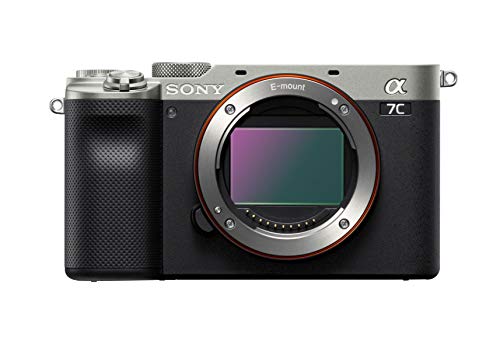
Sony Alpha 7C Full-Frame Mirrorless Camera (Silver)

Sony Alpha 7C Full-Frame Compact Mirrorless Camera Kit (Silver)
Sony Alpha A6100 Mirrorless Camera with 16-50mm Lens

Sony Alpha ZV-E10 APS-C Vlog Camera Kit (Black)

Canon EOS R Full-Frame Mirrorless Camera (Body Only)
Canon EOS R8 Mirrorless Camera Body

Sony Alpha a6700 APS-C Mirrorless Camera Bundle
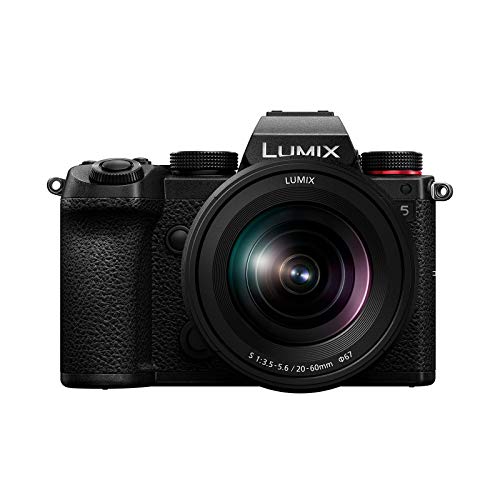
Panasonic LUMIX S5 Full Frame Mirrorless Camera (Black)
What Each Pick Brings To The Table
Canon’s EOS R6 sits at the upper end of “budget full-frame” once you start pricing kits, but it’s still meaningfully cheaper than the flagship R5 and inherits a lot of the same DNA. The DIGIC X processor and full-frame CMOS sensor combo pushes high-speed continuous shooting up to 12 fps with the mechanical shutter, and dual UHS-II SD slots mean you can keep rolling without juggling cards.
For owners, that translates to reliable tracking of kids, pets, and amateur sports without a buffer panic. Dual Pixel CMOS AF II (Canon’s on-sensor phase-detection autofocus system that reads from nearly every pixel) covers nearly the entire frame, so focus finds subjects even at the edges where cheaper systems tend to give up.
Everyday Wins
- 12 fps mechanical burst keeps up with fast-moving subjects like soccer games or wildlife
- Dual UHS-II SD card slots let you record to both cards simultaneously for instant backup
- Wide-area autofocus coverage means subject tracking holds even when subjects move off-center
- Strong low-light performance thanks to the sensor and DIGIC X pairing
- Solid lens ecosystem through the RF mount, with adapters for older EF glass
Things To Consider
- Body-only pricing puts it at the top of the “budget” bracket
- 4K video can tax the sensor with longer recording sessions, so heat management matters
Quick Facts
Right Fit For
Action shooters and hybrid creators stepping up from APS-C who want near-flagship autofocus without paying flagship money.
Look Elsewhere When
The Sony Alpha 7C is a better match for travelers who’d rather shave weight than chase burst speed.
The EOS R7 is technically APS-C, not full-frame, but at 32.5 megapixels with Canon’s Dual Pixel CMOS AF II, it earns its spot on a budget-friendly roundup by delivering flagship-tier autofocus in a much smaller body. Pair it with an RF-S or RF lens and the effective focal length multiplier gives you extra reach for distant subjects.
Wildlife shooters in particular appreciate this reach. A 100-500mm lens behaves like a 160-800mm on this body, which is a serious advantage when you can’t physically get closer to a heron or a fox.
Useful Strengths
- 15 fps continuous shooting captures rapid action sequences
- Dual Pixel CMOS AF II tracks subjects across nearly the entire frame
- Compact body keeps the camera packable for long hikes
- 4K video recording expands its use beyond stills
Worth Noting
- Smaller APS-C sensor means slightly less low-light reach than the full-frame options here
- Lens lineup for RF-S is still growing, so some users may rely on adapted EF glass
- Buffer can fill quickly at 15 fps with RAW files
Who Will Love This
Wildlife and bird photographers who need reach and speed without carrying a heavy full-frame body.
Consider Something Else When
The Canon EOS R6 makes more sense for dedicated low-light event work where the full-frame sensor really earns its keep.
The Alpha 7C pushes full-frame into a body shape closer to a compact camera than a traditional SLR-styled mirrorless. The 24.2MP back-illuminated sensor (a design that places wiring behind the photodiodes for better light capture) pairs with 5-axis in-body image stabilization (IBIS, meaning the sensor physically shifts to counter hand shake), which keeps handheld shots sharp in dim restaurants or at twilight.
For people who used to leave a full-frame camera at home because the bag was too heavy, this one fits in a coat pocket with the right pancake lens. The flip-out LCD makes it friendlier for solo creators than the fixed-screen Sony bodies above it in the lineup.
Reasons It Performs
- Among the smallest full-frame bodies available, with serious staying power for travel days
- 5-axis IBIS steadies shots at slow shutter speeds without a tripod
- Flip-out LCD is a real advantage for vloggers and self-portraits
- 4K recording with full-pixel readout (using all the sensor’s pixels for video, not skipping lines) preserves detail
Trade Offs
- Smaller EVF (electronic viewfinder) than the larger Alpha 7 III, so eye-relief suffers for glasses wearers
- Single SD card slot is a real limitation for event photographers who want instant redundancy
Perfect Match For
Travelers and everyday-carry photographers who want full-frame image quality without hauling a brick of a camera.
Skip It When
The Canon EOS R6 is a stronger choice for anyone needing dual card slots and a deeper grip for long telephoto lenses.
This is the same Alpha 7C body reviewed above, bundled with Sony’s compact full-frame zoom lens to give you a working kit from day one. For first-time full-frame shoppers, skipping the lens question on day one removes the most confusing part of the buying process.
The bundle keeps total weight low enough to live in a small messenger bag, which is the point. You’ll trade some low-light reach versus faster L-series glass, but the zoom range covers most vacation scenarios.
Advantages To Know
- Ready-to-shoot package saves the hassle of matching body and lens separately
- Compact zoom keeps the system light enough for daily carry
- Full-frame sensor and IBIS from the standalone Alpha 7C still apply
A Few Limitations
- Kit lens aperture is slower than premium zooms, so indoor shots may push ISO higher
- Single card slot remains the same limitation as the body-only version
Built With In Mind
Casual travelers and street photographers who want a grab-and-go full-frame rig without researching lenses first.
A Better Fit Elsewhere
The Sony Alpha A6100 kit is a smarter pick for someone who values price over sensor size and doesn’t mind APS-C.
The A6100 is APS-C rather than full-frame, which is why it earns a spot on a budget list: it gives you Sony’s Real-time Tracking autofocus and a 24MP sensor in a body that costs less than most entry-level full-frame kits. The 16-50mm Power Zoom lens collapses flat, making the whole package pocketable.
Beginners tend to bond with this camera fast because the autofocus rarely loses the subject, even when you’re still learning where the focus point should sit. Compared to the Alpha 7C above, the trade is sensor size versus total system cost.
Notable Gains
- Real-time Tracking autofocus locks onto subjects and follows them reliably
- Tilting LCD helps with overhead shots and the occasional selfie
- Compact body fits in jacket pockets with the kit lens collapsed
- Wide lens selection thanks to Sony’s mature E-mount system
Points To Keep In Mind
- APS-C sensor can’t match full-frame low-light performance in dim venues
- No in-body image stabilization, so steady hands matter at slow shutter speeds
- Plastic body construction feels light, though owners commonly report it holds up fine with normal care
Whose Shelf It Belongs On
First-time mirrorless shoppers and families who want fast autofocus at a price that leaves room for a lens or two.
Reach For A Different Pick When
The Sony Alpha 7C is the right call if you specifically want full-frame depth-of-field and don’t mind the size jump.
The ZV-E10 is Sony’s dedicated creator-focused body, and it shows. The vari-angle flip-out LCD, the built-in directional microphone, and the product showcase setting (which automatically shifts focus from your face to an object you hold up) make it purpose-built for solo video work rather than adapted from a stills camera.
YouTubers and TikTok creators especially appreciate how light this rig is when paired with the kit lens. The same E-mount system used by the A6100 means the lens library is enormous, so swapping in a fast prime for low-light talking-head shots is straightforward.
The Helpful Details
- Vari-angle LCD rotates to face forward for self-recording
- Built-in three-capsule microphone captures cleaner audio than typical built-in mics
- Product Showcase setting handles common YouTube review scenarios automatically
- Interchangeable lens system opens up creative options over fixed-lens vlog cameras
Honest Caveats
- No in-body image stabilization, so handheld walking shots can get shaky
- No electronic viewfinder means bright sunlight can wash out the rear screen
- APS-C sensor, so it falls outside strict “full-frame” criteria
Made For
Solo creators and vloggers who want better audio and a flip screen without moving to a full-frame budget.
Where A Sibling Pick Shines
The Panasonic LUMIX S5 is a stronger match for creators who want full-frame 4K 60p and built-in stabilization in one body.
The original EOS R is the body that kicked off Canon’s RF mirrorless system, and it still holds up for many shooters. The 30.3MP full-frame sensor paired with a 0.76x magnification OLED electronic viewfinder (EVF, a tiny high-res display in the eyepiece that replaces an optical viewfinder) makes composing shots genuinely pleasant, especially for glasses-wearers who struggle with smaller finders.
Hybrid creators get clean 4K UHD output and full RF-mount lens compatibility. Used or refurbished EOS R bodies frequently show up at attractive prices, making this an honest path to full-frame for budget-minded shoppers willing to skip the latest generation.
A Strong Showing
- 30.3MP full-frame sensor delivers plenty of resolution for cropping and large prints
- Large 0.76x OLED EVF is easier on the eyes than smaller finders
- Native RF mount with adapters for EF and EF-S lenses expands your lens options
- 4K UHD video covers most hybrid creator needs
Where It Is Less Suited
- Older DIGIC 8 processor can’t match the burst speeds of newer models like the R6
- Single SD card slot limits backup options for paid event work
- Autofocus, while solid, has been surpassed by Dual Pixel CMOS AF II on newer Canon bodies
Best Suited To
Patient shoppers who prefer a proven sensor and a generous viewfinder over bleeding-edge autofocus and burst speed.
Swap It Out When
The Canon EOS R8 makes more sense for new shoppers who want current-generation autofocus in a similarly compact body.
The EOS R8 takes much of the R6 Mark II’s DNA and drops it into Canon’s lightest full-frame RF body. The 24.2MP sensor, Dual Pixel CMOS AF II, and 4K 60p video make it genuinely capable for both stills and motion, while the smaller body weight is a real win for travel days.
For people stepping up from a phone or an older Rebel, this is one of the friendliest full-frame entry points. The menus are modern, the autofocus holds onto people and animals reliably, and the weight stays low enough that you won’t dread carrying it.
What Stands Out
- Lightest full-frame EOS R body, which makes a meaningful difference on long shooting days
- Dual Pixel CMOS AF II with subject detection for people, animals, and vehicles
- 4K 60p video oversampled from 6K (using a higher-resolution capture then downsampling for sharper results) for detailed footage
- Modern menu system with genuinely useful subject recognition
Small Caveats
- Smaller battery than the R6, so spares are essentially mandatory for full-day shoots
- Single SD card slot, again, so event shooters should plan around it
- Lacks in-body image stabilization, which the R6 includes
Feature Snapshot
Who Should Grab It
Travel content creators and step-up shooters who want current-generation autofocus in the smallest RF full-frame package.
Where Another Pick Suits Better
The Sony Alpha 7C is worth considering instead if lens selection matters more than Canon RF glass.
The a6700 is Sony’s current flagship APS-C body, and this bundle adds the E PZ 16-50mm power zoom lens, an extra battery, a shoulder bag, and a charger. For new owners, that’s a meaningful head start: no shopping cart math on day one.
The camera itself carries dedicated AI processing for subject recognition, which noticeably improves how well it tracks people, animals, and even specific body poses. APS-C means it’s not technically full-frame, but the real-world performance gap is narrower than the spec sheet suggests.
Positive Takeaways
- AI-powered subject recognition handles people, animals, and vehicles intelligently
- Bundled extras save the cost and guesswork of buying accessories separately
- Compact body despite the advanced feature set
- Wide E-mount lens compatibility for long-term system growth
Practical Considerations
- APS-C sensor trades some low-light capability for size and price
- Bundled accessories may not match the quality of separately purchased equivalents
- Power zoom lens is slower than fixed-aperture alternatives
The Right Fit
Hybrid shooters who want modern subject-tracking autofocus and prefer a complete kit out of the box.
Another Choice May Suit
The Sony Alpha ZV-E10 is a better match for dedicated vloggers who don’t need the a6700’s advanced stills features.
The LUMIX S5 has earned a loyal following among video-first creators, and for good reason. The 5-Axis Dual I.S. (image stabilization) system combines in-body sensor-shift stabilization with lens-based optical stabilization to deliver notably smooth handheld footage, and 4K 60p recording gives real creative room for slow motion.
The included 20-60mm lens covers a useful wide-to-standard range that suits everything from landscape work to documentary shooting. The L-Mount alliance also opens access to lenses from Leica and Sigma, which is a meaningful long-term system advantage.
Where It Excels
- 5-Axis Dual I.S. is among the most effective stabilization systems in this price bracket
- 4K 60p video without significant crop gives flexible framing for video projects
- Flip-out screen is genuinely useful for vlogging and run-and-gun shooting
- Built-in WiFi supports fast file transfer to phones for editing on the go
Less-Strong Areas
- L-Mount lens lineup, while growing, is less mature than Canon RF or Sony E
- Autofocus for video is solid but lags the latest Sony and Canon systems for fast subject changes
- Body size is slightly larger than the Sony Alpha 7C, so jacket-pocket carry is off the table
Feature Card
Who It Suits Best
Video-first creators and hybrid shooters who prioritize in-body stabilization and 4K 60p over peak autofocus performance.
Not Your Match When
The Canon EOS R8 is a stronger pick for stills-led shooters who want Canon’s subject recognition and a lighter body.
Smart Shopping For Budget Full-Frame Bodies
Sensor Size Versus Total System Cost
A genuine full-frame sensor still costs more than APS-C at the same generation, and that gap shows up across the lens lineup too. Going APS-C lands you faster autofocus at a lower price, while full-frame gives cleaner high-ISO output and shallower depth-of-field. Your dominant shooting scenario should decide this, not a spec sheet.
Autofocus Generation Matters More Than Megapixels
Subject detection has improved dramatically in the last few generations, and that leap matters more in daily use than raw resolution gains. Cameras with the latest autofocus systems track people, animals, and vehicles with much less fuss, which is the difference between a keeper and a missed moment for active shooters.
Stabilization Changes How You Shoot
In-body image stabilization lets you handhold at much slower shutter speeds and smoother video without a tripod or gimbal. If you shoot in low light, walk-and-talk video, or telephoto work without a monopod, IBIS is worth paying for. If you mainly shoot outdoors in good light, you can skip it and save.
Lens Ecosystem Over Body Features
The best deal in a camera body becomes a regret if the lens system doesn’t grow with you. Canon RF, Sony E, and Panasonic L-Mount each have different strengths in third-party lens support, so check that the system covers the focal lengths you’ll actually want before committing.
Key Considerations Across These Picks
Common Shopping Slip Ups
Budget shoppers often fixate on the body price and forget to budget for a lens, memory cards, and a spare battery. A camera kit with no glass attached doesn’t take pictures, and shipping with one slow SD card can throttle burst speeds you thought you were buying.
What Separates Premium From Basic
Higher-tier full-frame models earn their cost through better autofocus subject detection, in-body stabilization, dual card slots, and weather-sealed bodies that survive rain and dust. Spending up is most worthwhile for working photographers who need reliability under pressure rather than hobbyists shooting on calmer weekends.
Frequently Asked Questions
What defines a “budget” full-frame mirrorless camera in 2026?
Budget in this category typically means body-only pricing under the flagship tier while still delivering a genuine full-frame sensor. You give up some advanced features like dual card slots or the latest autofocus, but the core image quality stays close to flagship.
Is full-frame always better than APS-C for beginners?
Not necessarily. APS-C cameras like the Sony A6100 deliver fast autofocus at lower cost, and the difference in image quality is small for everyday use. Full-frame makes more sense once you specifically want shallower depth-of-field or stronger low-light performance.
Do budget full-frame cameras handle video well?
Most modern budget full-frame bodies record 4K, with some offering 4K 60p. For dedicated video work, the Panasonic LUMIX S5 stands out for stabilization, while the Canon EOS R8 and Sony Alpha 7C cover most hybrid creator needs.
Are older full-frame models like the original EOS R still worth considering?
Yes, especially when found at reduced prices. The original EOS R still produces excellent stills and benefits from Canon’s full RF lens lineup. You sacrifice the newest autofocus generation, but the sensor holds up well.
How important is in-body image stabilization?
It matters most for handheld low-light photography and run-and-gun video. If you mostly shoot outdoors in good light or work from a tripod, IBIS is less critical and you can save by choosing a body without it.
Wrap Up
The honest read on budget full-frame mirrorless cameras in 2026 is that the category has matured to the point where compromise is mostly about which features matter most to you. Pick the system that fits your dominant shooting scenario, budget realistically for at least one good lens, and you’ll have a camera that grows with you rather than one you’ll outgrow in a year.