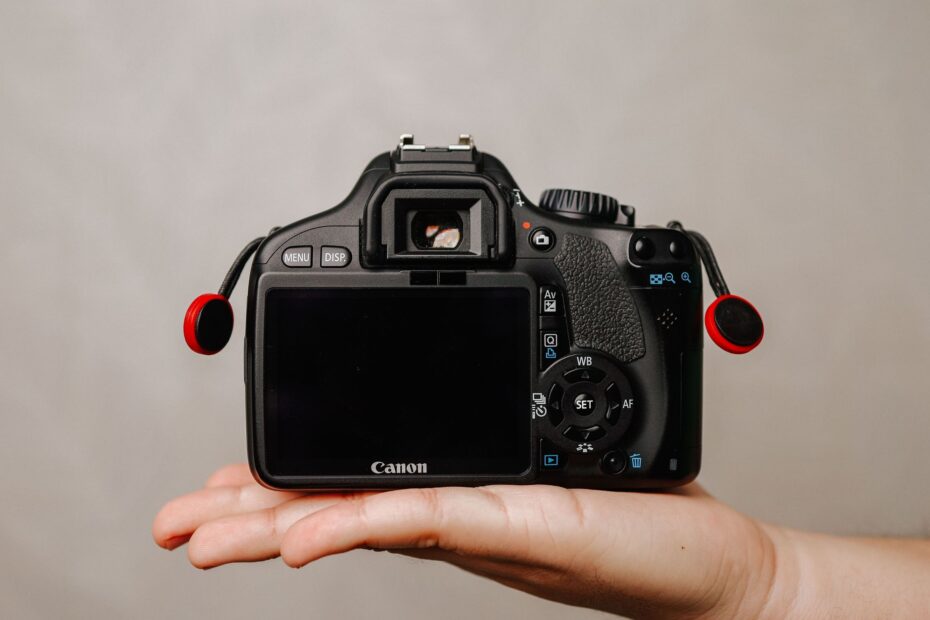
One path sends lens light directly to your eye through an Optical Viewfinder (OVF), while the other uses an Electronic Viewfinder (EVF) to display a sensor-fed screen with exposure and focus data before capture.
Your choice affects action tracking, low-light framing, flash work, battery life, and how much visual feedback you receive before pressing the shutter.
Light Reaches Your Eye Through Two Different Camera Designs
Mirrors direct lens light through an optical path
DSLR cameras place a mirror between the lens and image sensor. During framing, that mirror reflects incoming light upward into a Pentaprism or Pentamirror, then sends the image through the eyepiece to your eye.
A Pentaprism uses a solid glass block, which gives you a brighter and larger viewing image. A Pentamirror uses several reflective surfaces instead, reducing body weight while producing a dimmer finder image in many entry-level DSLR cameras.
The result is an Optical TTL viewfinder, meaning you see light that has passed through the taking lens. No sensor processing, screen pixels, or display refresh sits between the scene and your eye.
You see the scene in real time, which gives an OVF its natural motion response. The finder brightness still depends on ambient light, lens aperture, and the camera’s prism or mirror design.
Sensors send a live feed to an electronic finder
Mirrorless cameras leave the sensor exposed while you compose. The sensor creates a live feed, and an OLED EVF display or LCD panel shows that feed inside the eyepiece.
Your eye still looks through a finder, but the image is now a display rather than a direct light path. That screen can show exposure simulation, focus aids, recording details, and image playback without moving your eye to the rear LCD.
Fujifilm X-series rangefinder-style cameras illustrate a hybrid approach. Certain bodies include an optical window plus an electronic display mode, giving your eye a choice between direct viewing and sensor-based information.
These two designs shape your shooting behavior in different ways. An OVF gives you an immediate view, while an EVF gives you a preview of how camera settings could shape the captured frame.
Real Shooting Differences Show Up in Motion, Exposure, and Power Use
Direct viewing keeps fast movement easier to follow
A bird crossing a bright sky makes the practical split easy to see. An OVF shows movement with almost no display delay because light travels through mirrors and glass rather than through a sensor and screen.
An EVF refreshes many times per second, yet it still shows captured sensor data. A 120 Hz finder can feel very responsive, but a fast subject can appear a fraction behind its actual position.
That delay is viewfinder lag, not shutter lag. Your camera can record an image quickly after the shutter press while the EVF still shows an earlier moment.
You should keep those two delays separate while judging action performance. Fast autofocus and burst speed matter, but a delayed display can still alter your panning rhythm or your timing on a moving subject.
Side-by-side differences affect your shooting routine
| Factor | Optical Viewfinder | Electronic Viewfinder |
|---|---|---|
| Scene appearance | Direct lens light reaches your eye. | A sensor-rendered image appears on a display. |
| Exposure preview | No screen preview shows final brightness or color. | Exposure compensation, white balance, and color settings appear before capture. |
| Motion response | Movement appears with almost no display lag. | Refresh delay can appear during rapid motion. |
| Blackout behavior | The mirror blocks the view briefly during capture. | Screen blackout changes with camera and burst mode. |
| Low-light framing | The finder darkens with the scene but stays clean. | The feed brightens, though noise and smear can appear. |
| Battery demand | The finder uses no screen power during framing. | The sensor and display draw power while active. |
| Heat | Viewfinder use creates little heat. | Long live-view sessions can add heat in warm conditions. |
| Camera design | DSLR cameras use a mirror box. | Most mirrorless cameras use an EVF. |
Refresh rate, blackout behavior, autofocus tracking, and burst mode all shape what your eye sees during a sequence. A finder label alone tells you very little about how a camera follows a bird, cyclist, or racing car.
Camera design also changes the physical layout inside the body. DSLR cameras need a mirror box, prism assembly, and moving mirror, while mirrorless bodies place more viewing work on the sensor, processor, and display.
That sensor-and-display workflow enables useful real-time feedback, though it also introduces conditions where the preview can mislead.
Live Previews Show Exposure and Focus Before Capture
Exposure simulation changes decisions before the shutter moves
An electronic viewfinder exposure preview shows how exposure settings affect the frame before capture. A bright window can reveal clipped highlights, a face can appear too dark, and a white shirt can shift blue under open shade.
You can turn the exposure-compensation dial and watch the scene brighten or darken in real time. White balance shifts, monochrome picture styles, and color profiles can appear in the finder before you take the photograph.
Live exposure preview gives you a visual rehearsal for the captured image. That feedback matters during sunrise landscapes, indoor portraits, and street scenes where light changes from one block to the next.
Depth of field can appear in the EVF as well. With a lens set near f/1.4, your view can show shallow focus behavior as the camera stops the lens down or simulates the selected aperture.
Screen overlays turn the finder into a shooting tool
EVF overlays help your eye judge more than brightness. Set the display around the error you want to avoid instead of filling the finder with every available icon.
- Live histogram shows tonal distribution before capture, helping your exposure preserve detail in bright clouds or wedding dresses.
- Highlight warning marks clipped areas, giving your eye a warning about lost highlight detail.
- Focus peaking outlines high-contrast edges, helping your manual-focus lens land on an eye or flower stamen.
- Magnified focus view enlarges a small area, giving you close focus control for macro work and night scenes.
- Grid lines help you keep horizons level and place architecture along clean visual lines.
An OVF can show focus points and exposure numbers, but it cannot show a live histogram created from sensor data. You meter the scene, set exposure, and inspect the captured image afterward.
Flash changes what the preview can show
Studio strobes fire too briefly for an EVF to show their final contribution before capture. Cameras can brighten the view for composition because the ambient scene may look very dark at manual flash settings.
Your flash exposure preview will differ from the final frame because the sensor sees flash only during capture. A dim reception room can look dark in the finder until a speedlight fires.
Very dark manual settings, bulb exposures, and mixed continuous lighting can produce a misleading screen image. Disable exposure simulation or select a brighter viewing mode once the display stops helping your framing.
When the display no longer represents the scene reliably, darkness and rapid movement expose the trade-offs most clearly.
Low Light and Fast Subjects Reveal Different Limits
Brightness gains come with visible trade-offs
At dusk, an OVF darkens at the same pace as the park, street, or stadium. That direct view stays smooth and clean, but a subject can disappear into shadow once available light falls far enough.
An EVF can amplify the sensor feed so you can frame a person against a dark wall or place a tripod shot of the Milky Way. That brighter image can show noise, lower fine detail, color speckling, or slower refresh.
Optical vs electronic viewfinder for low light depends on your task. An EVF helps with manual focus and framing in dim scenes, while an OVF gives your eye a cleaner view of actual ambient light.
You should inspect the finder in a dim room rather than judging it under store lighting. Shadow noise, color shifts, refresh behavior, and magnified focus performance become easier to judge after sunset.
Blackout and refresh affect fast action
Sports and wildlife place a premium on continuous visual contact. A DSLR mirror flips upward during each exposure, causing a brief blackout, yet the view between frames remains direct and immediate.
Mirrorless cameras can shoot rapid bursts with reduced blackout modes, especially with electronic shutters. A racing car moving sideways can still appear to jump across a slower display, making your panning rhythm harder to judge.
Older EVFs developed a reputation for smear and delayed motion. Current OLED finders with 120 Hz refresh rates feel far closer to optical viewing, though your hands and eyes remain the useful measure for a specific camera, lens, burst setting, and subject speed.
Track a bird against branches or pan past a cyclist before settling on a system. Your eye will reveal display delay, blackout behavior, and finder comfort far better than a spec list.
Finder Quality Depends on More Than Resolution
Dot count does not tell the whole story
A 5.76-million-dot EVF sounds more detailed than a 2.36-million-dot EVF, yet resolution alone does not define clarity. Panel layout, display optics, magnification, and contrast all change the image reaching your eye.
Magnification describes how large the finder image appears. A 0.8x view can feel spacious beside a 0.59x view, even with similar panel resolution.
Your composition benefits from a larger image, especially while placing a small subject near the edge of the frame. Eyeglass wearers can feel an even larger difference because eye relief affects whether all four corners remain visible.
Refresh rate affects moving subjects, while blackout affects continuity during bursts. OLED panels tend to show deep blacks and strong contrast; LCD panels can still look clear, though highlight and shadow separation can feel less rich.
Comfort affects how well you use the finder
Long photo walks expose the battery difference. EVFs draw power because the image sensor, processor, and display remain active while you compose, while an OVF needs no display power for the same framing time.
Heat can build during long video clips, hot weather, or extended live-view sessions. Your camera can dim its display, limit recording, or become uncomfortable to hold before an OVF-based DSLR shows the same symptom.
You should set the diopter while viewing finder text or focus data rather than the scene. Your eye adapts quickly to a soft scene, which can hide an incorrect diopter setting.
Those comfort and clarity details matter most when weighed against the lenses, handling, and subjects you actually use.
- Check eye relief keep your glasses on and confirm that frame edges remain visible without pressing into the eyecup.
- Set finder brightness lower an EVF that feels harsh indoors, then raise it for bright midday conditions.
- Watch for flicker spend several minutes with the finder because discomfort can appear after brief use.
- Hold your camera use your normal strap, grip, and lens so the test reflects an actual shooting position.
- Inspect corner detail look at all four frame corners while wearing glasses to see whether the finder image fits your eye position.
Camera System Priorities Shape the Better Choice
Optical viewing fits direct-action shooting priorities
A DSLR with an OVF suits photographers who value an unmediated scene, strong battery endurance, and predictable tracking in bright daylight. Field sports, birds in flight, and outdoor motorsport reward that immediate view.
Your lens selection matters at least as much as finder preference. A fast telephoto, responsive autofocus behavior, a comfortable grip, and familiar controls can shape your results more than the difference between optical and electronic viewfinders.
Flash-heavy work deserves similar attention. An OVF stays bright or dark according to ambient light, while an EVF needs the right simulation setting to remain useful under strobes, speedlights, and modeling lamps.
Should I choose an OVF or EVF becomes easier once you identify your most demanding assignment. Your most difficult shooting condition reveals more than a casual test in bright daylight.
Electronic viewing fits preview-driven shooting priorities
Landscape, travel, portrait, manual-focus, and hybrid photo-video work can reward an EVF. You can check a histogram at sunrise, magnify an eye at f/1.2, or preview a black-and-white setting before capture.
Video gives the electronic route a practical advantage because the camera already needs sensor output for recording. Your framing display can show zebras, audio levels, focus peaking, and shutter information in the same eyepiece.
The optical viewfinder vs electronic viewfinder pros and cons become personal during a full shooting day. Your subjects, available light, working pace, and access to spare batteries all affect the right fit.
A practical camera check keeps your choice grounded
Use the finder as part of a larger camera-system decision rather than the whole decision. Your hands, subjects, lenses, and working hours reveal priorities that a single feature cannot settle.
- Photograph familiar subjects use sports, wildlife, portraits, travel scenes, or studio setups that match your actual work.
- Check lens access confirm that focal lengths and apertures fit your needs before favoring either viewfinder type.
- Follow moving subjects track an approaching subject through a burst and watch how the finder responds.
- Hold the body check grip depth, button placement, and balance with the heaviest lens you expect to carry.
- Plan battery needs factor spare batteries into travel, events, and cold-weather sessions with an EVF camera.
- Budget for accessories leave room for lenses, memory cards, batteries, and support equipment rather than spending everything on the camera body.
Final Thoughts
Your viewfinder is the window through which you time every photograph. Choose an OVF for direct, low-latency viewing and strong battery endurance; choose an EVF for preview control, information overlays, and manual-focus help.
The better fit is the one that lets your eye follow the subject, judge the light, and work comfortably through an actual shooting day. Optical vs electronic viewfinder decisions become clearer once you handle both designs in the conditions that matter to your work.
FAQ
What is the difference between an optical viewfinder and an electronic viewfinder?
An optical viewfinder sends actual lens light to your eye through mirrors and a prism or mirror assembly. An electronic viewfinder shows a sensor-fed display with exposure simulation, focus aids, and shooting information.
How does an optical viewfinder work in a DSLR?
A DSLR mirror reflects lens light upward into a Pentaprism or Pentamirror. That light then travels through the eyepiece, giving you an Optical TTL viewfinder image before the mirror flips upward during capture.
How does an electronic viewfinder work in a mirrorless camera?
A mirrorless camera keeps its image sensor exposed while you compose. The sensor sends a live feed to a small OLED or LCD display inside the eyepiece, showing your framing and camera settings.
Is an EVF better than an OVF for photography?
An EVF is stronger for exposure previews, focus aids, video information, and manual-focus work. An OVF is stronger for direct viewing, low display delay, and longer battery life during still photography.
Do electronic viewfinders have shutter lag or display lag?
An EVF can show display lag because the sensor and screen need time to refresh the image. Shutter lag is separate and describes the delay between pressing the shutter and recording the frame.
Which type of viewfinder works better in low light?
That brighten a dark scene, helping you frame subjects and focus manually after sunset. An OVF stays visually clean but darkens with available light, which can make a dim subject harder to see.