You step out onto a trail at dawn, or settle into a velvet seat at the theater, and reach for something that pulls the world in closer. That’s the job binocular glasses do, and the gap between a forgettable pair and one that genuinely sharpens a moment is bigger than most people expect. Magnification, objective lens size, glass quality, and weather sealing all shift how a scene actually looks through the eyepieces.
This shortlist covers the full range, from compact travel pairs you can toss in a daypack to high-power optics built for glassing distant ridges, plus a small theatrical option for closer indoor settings. Each pick here is matched to a real use case, so you spend less time guessing and more time looking.
How The Shortlist Stacks Up
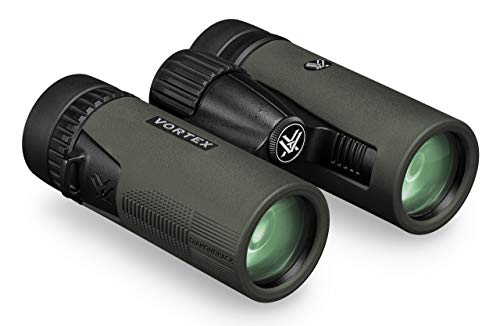
Vortex Diamondback HD 8×32 Binoculars

Vortex Copperhead HD 10×42 Binoculars
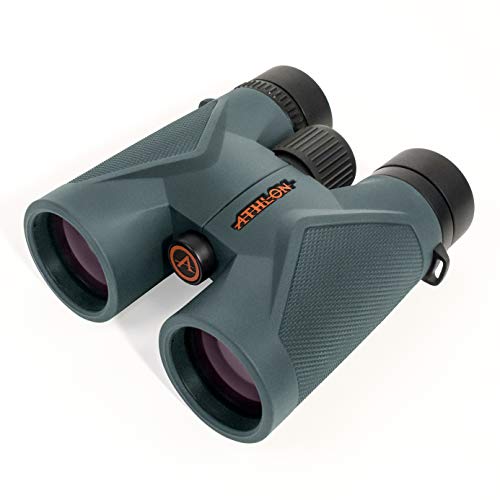
Athlon Optics 8×42 Midas UHD Binoculars
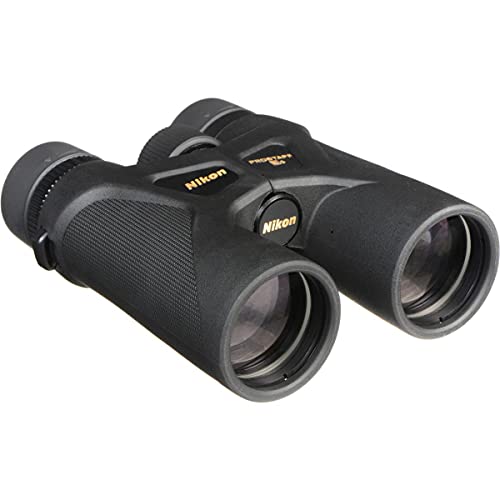
Nikon PROSTAFF 3S 10×42

Vortex Viper HD 12×50 Binoculars

Nikon Prostaff P3 10×30
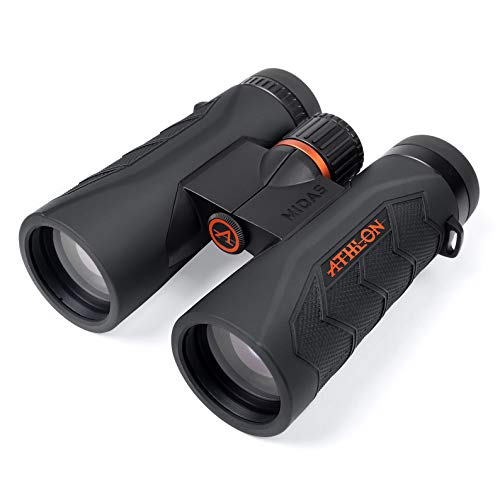
Athlon Midas G2 UHD 8×42 Binoculars
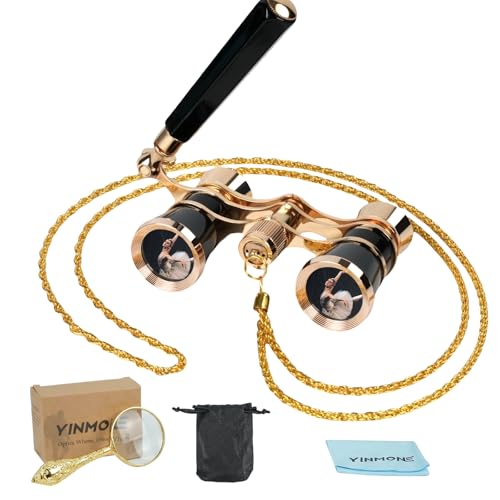
YINMONE 3×25 Mini Opera Binoculars
The Picks, Examined More Closely
The Diamondback HD 8×32 sits in a sweet spot that most casual viewers don’t realize exists. At 8x magnification, hand shake stays manageable, and the 32mm objective lenses (the front glass that gathers light) keep the body compact enough to slip into a daypack without feeling like cargo. Fully multi-coated optics (multiple anti-reflective layers on every glass surface) help the image stay bright in overcast conditions, which is the kind of weather you actually hike in.
For someone starting a birding habit or upgrading from a department-store pair, the format is forgiving. The chassis is rubber-armored, so a knock against a car door doesn’t spell disaster, and the focus wheel is smooth enough for one-handed tweaks while tracking a moving subject. Compared to the bulkier 10x models later in this list, the Diamondback trades raw reach for steadiness and comfort.
Why It Works Well
- Compact footprint suits all-day carry on trails and city walks.
- Multi-coated optics keep colors believable at dawn and dusk.
- 8x magnification is stable without a tripod, even for new users.
- Rubber armor absorbs minor bumps against pack frames and car doors.
Points To Keep In Mind
- The 32mm objectives gather less light than the 42mm models below, so deep-forest viewing can feel dimmer.
- Owners commonly recommend cleaning the objective covers carefully since they sit exposed when stored loose.
Feature Snapshot
Whose Trail Bag It Belongs On
Day hikers, casual birders, and anyone stepping up from entry-level optics who wants a steady, well-rounded view without a heavy pack.
Where Another Pick Suits Better
Hunters scanning fields at distance will get more reach from the Vortex Copperhead HD 10×42 Binoculars covered next.
Step up from 8x to 10x and the world stretches a bit further, which is exactly what makes the Copperhead HD a favorite for open terrain. The 42mm objectives gather noticeably more light than the Diamondback above, so dawn hunts and dusk walks keep their color instead of washing into gray. A diopter (the small adjustment ring that balances focus between your eyes) on the right eyepiece lets you fine-tune the view, which matters once you’ve spent a few hours looking through the lenses.
The chassis is sealed against moisture and fog, so a sudden squall on a ridge doesn’t end the day. For the person who wants reach without jumping to a tripod-class 12x model, the Copperhead hits a confident middle ground. It’s heavier in the hand than the 8×32 Diamondback, but the trade shows up in the image: brighter, sharper, and more forgiving when the light fades.
The Case For It
- 10x magnification pulls distant detail into practical viewing range.
- 42mm objectives brighten low-light scenes at first and last light.
- Adjustable eyecups and diopter make long sessions more comfortable.
- Weather-sealed body holds up in rain, mist, and dusty ridgelines.
Honest Caveats
- 10x is harder to hold steady than 8x, so a steady grip or monopod helps on long scans.
- Larger body means it won’t slip into a jacket pocket the way the Nikon Prostaff P3 does.
Quick Facts
Right Fit For
Hunters, wildlife spotters, and serious birders who need extra reach in low light and don’t mind a slightly heavier carry.
Swap It Out When
Travelers packing light will find the Nikon Prostaff P3 10×30 easier to live with on long days.
ED glass is the kind of feature that used to live only in expensive optics, so seeing it inside the Midas UHD 8×42 is a quiet win. ED (extra-low dispersion) glass reduces color fringing around high-contrast edges, which is what gives cheaper pairs that faint purple halo on tree branches against bright sky. You get that cleaner look without paying flagship money.
The 8×42 format is a known good shape: stable magnification paired with bright objectives. Bak-4 prisms (a higher-grade glass prism that transmits more light than standard BK-7) keep the image clear to the edges, and a close-focus distance around 6.5 feet lets you study butterflies and wildflowers without switching gear. The Athlon name carries less brand recognition than Vortex or Nikon, but the optical performance holds its own, and for cost-conscious shoppers that balance is the real story.
Everyday Wins
- ED glass sharpens edges and trims color fringing in bright conditions.
- 8×42 size suits long walks where weight matters and stability counts.
- Close focus near 6.5 feet handles near subjects without swapping gear.
- Bak-4 prisms keep the full image bright, not just the center.
Trade Offs
- Slightly heavier than the compact 30mm models, so it stays on a strap rather than a pocket.
- Eyecups are functional but not as refined as pricier competitors.
Key Product Details
Who Should Grab It
Birders, hikers, and parents shopping for an older kid who wants real optical quality without flagship pricing.
Consider Something Else When
For a more travel-friendly footprint, the Nikon Prostaff P3 10×30 slips into a bag more easily than the Midas UHD.
The PROSTAFF 3S has been a quiet workhorse in Nikon’s lineup for a while, and the 10×42 format gives it the reach that field observers tend to want. Eco-Glass (Nikon lead- and arsenic-free optical glass) is the kind of detail that doesn’t change the view but does change the conscience, and the multilayer coatings push enough light through for a bright, honest image.
Turn-and-slide rubber eyecups make it accessible for glasses wearers, which is a small thing that becomes a big thing after an hour of scanning a shoreline. The body is waterproof and fogproof, and the rubber armor handles the usual field abuse. For someone who trusts the Nikon badge and wants a 10×42 they can hand to a friend without ceremony, the PROSTAFF 3S is a steady answer.
Benefits That Matter
- 10x magnification reaches distant subjects across open fields and shorelines.
- Eco-Glass construction avoids lead and arsenic without compromising clarity.
- Adjustable eyecups suit both glasses wearers and bare-eyed viewers.
- Sealed and armored body handles wet weather and rougher handling.
Things To Consider
- Image is bright but not as edge-sharp as the Athlon UHD models above.
- Heavier than compact 30mm pairs, so it lives on a neck strap rather than a pocket.
The Main Details
Who Will Love This
Field observers and weekend naturalists who want Nikon’s reputation, solid weather sealing, and a familiar 10×42 format.
Not Your Match When
For a lighter carry on long travel days, the Nikon Prostaff P3 10×30 fits in a pack with room to spare.
12×50 sits in serious territory. The extra magnification pulls subjects in from a long way off, and the 50mm objectives (the largest in this roundup) soak up enough light for early-morning glassing sessions when wildlife is most active. The HD optical system holds color and edge detail across the frame, which is what you want when a buck steps out at the edge of a meadow and you’ve got seconds to read its antlers.
The catch is weight and hold. At this size, a tripod or monopod starts to make sense for extended sessions, especially if your hands aren’t rock steady. Vortex includes a GlassPak chest harness, which helps spread the load and keeps the binoculars ready to lift to your eyes without swinging on a neck strap. For open-country spotters, this is the level where the view starts to feel like a real advantage rather than a casual upgrade.
What Helps Most
- 12x magnification reads fine detail at significant distance.
- 50mm objectives deliver strong brightness in low light.
- HD optics maintain sharpness and color from center to edge.
- GlassPak harness keeps the weight off the neck and within quick reach.
Where It Is Less Suited
- Heavier and bulkier than the 8x and 10x models earlier in this list.
- 12x magnification amplifies hand shake, so a support helps for long sessions.
Best Suited To
Open-country spotters, long-range hunters, and dedicated wildlife viewers who need reach and bright optics more than compact carry.
A Better Fit Elsewhere
For a steadier handheld image on casual hikes, the Vortex Diamondback HD 8×32 Binoculars at the top of this list is the easier companion.
Travel days, museum trips, ferry rides, and casual weekends all ask the same thing of optics: be there when I need them, and don’t make me think about it. The Prostaff P3 10×30 answers that brief. The 30mm objectives keep the body slim enough to ride in a jacket pocket or daypack, and the 10x magnification is still useful for shoreline birds, distant buildings, and theater-style mid-range viewing.
Multi-layer coatings and silver-alloy prism coatings (a mirror finish inside the prisms that bounces more light into your eye) keep the image bright enough for daylight use, though as the source notes, the P3 is built for entry-level hobbyists rather than hardcore field work. Waterproofing to one meter for short periods handles a sudden shower without drama. The honest read is that this is a small, friendly pair that does the basics well and stays out of the way.
Useful Highlights
- 30mm objectives keep the body compact for travel and casual use.
- 10x magnification is plenty for most mid-distance viewing.
- Multi-coated lenses and silver-alloy prism coatings lift brightness.
- Lightweight build suits long days of carry without fatigue.
Small Caveats
- Smaller objectives gather less light than the 42mm models, so dusk viewing dims earlier.
- Entry-level design lacks the ED glass of the Athlon Midas UHD above.
Made For
Travelers, casual viewers, and anyone who wants a friendly everyday pair that disappears into a bag until needed.
Another Choice May Suit
Birders who want richer color in low light will prefer the Athlon Midas UHD 8×42 Binoculars covered earlier.
The Midas G2 UHD steps the original Midas formula forward, and the headline is sharpness. ED glass (extra-low dispersion glass) keeps color fringing under control, while an ESP dielectric coating (a multi-layer mirror coating on the prisms that boosts light transmission and color accuracy) pushes the view toward accurate, true-to-life color. The magnesium chassis is a smart swap from aluminum: noticeably lighter, which matters on long days, but still strong enough to handle a knock.
An XPL lens coating on the exterior surfaces helps resist scratches and grime during field use, so wiping off a smudge from a dirty pack lid doesn’t risk damaging the glass. Compared to the original Midas UHD earlier in this list, the G2 is the more refined build. For active households that share optics between camping trips, scouting days, and backyard birding, the G2 is built for all of it without specialization.
A Few Strong Suits
- ED glass with ESP dielectric coating for accurate color reproduction.
- Magnesium chassis drops weight without sacrificing strength.
- XPL exterior coating resists scratches and grime buildup.
- Long eye relief suits glasses wearers during extended viewing.
A Few Limitations
- 8x magnification is steady but not as far-reaching as the 10x and 12x picks above.
- Some users find the focus wheel tighter than the Vortex models.
Spec Overview
Perfect Match For
Active outdoor households, mixed-use viewers, and glasses wearers who need long eye relief and a tough, light body.
Look Elsewhere When
Anyone scanning long, open terrain will get more reach from the Vortex Viper HD 12×50 covered earlier.
Opera glasses aren’t trying to compete with field binoculars, and the YINMONE 3×25 doesn’t pretend to. The 3x magnification is the right reach for a balcony seat or mid-orchestra chair, where the stage is close enough that 10x would feel like too much. A metal body with a vintage-inspired look and a foldable handle gives it a small, classic feel that suits the setting.
The compact shape fits into a clutch or coat pocket, and the build feels more substantial than plastic toy pairs at the same size. For theater outings, symphony visits, and even museum exhibit reading, the honest trade-off is brightness and detail versus reach. You’ll get a clear look at facial expressions across the stage, not a detailed view of a distant raptor. The 3x format is the right tool for the job, and the styling matches the moment.
Reasons It Performs
- 3x magnification suits indoor stage viewing without overreach.
- Compact metal body fits a clutch, purse, or coat pocket.
- Foldable handle adds classic theater style and a confident grip.
- Lightweight build keeps hands relaxed through long performances.
Practical Considerations
- Not suited to outdoor distance viewing like the other picks in this roundup.
- Smaller 25mm lenses dim in low stage light, though they handle typical house lighting fine.
Built With In Mind
Theater-goers, concert attendees, and anyone who wants a stylish, pocketable pair for indoor performances and museum visits.
Reach For A Different Pick When
For real outdoor distance viewing, the Vortex Diamondback HD 8×32 Binoculars at the top of this list is a far more capable all-rounder.
What Matters Most Before Choosing Binocular Glasses
Reading The Numbers
The two numbers on any binocular tell you most of what you need to know. The first is magnification, the second is the objective lens diameter in millimeters. An 8×42 binocular makes things appear eight times closer, with 42mm front lenses gathering light. Higher magnification sounds tempting, but the image gets harder to hold steady and the field of view (how wide a scene you can see) narrows.
Matching Size To Use
Compact 30mm models slip into a pocket or daypack and suit travel and casual use, but they gather less light at dawn and dusk. Full-size 42mm pairs brighten low-light scenes and hold steady for long observation sessions. Larger 50mm objectives pull in the most light but add real weight, which is why the 12×50 Vortex Viper above ships with a chest harness.
Glass, Coatings, And Weather
ED glass reduces color fringing along high-contrast edges, a difference you see most on tree branches against bright sky. Multi-coated lenses (multiple anti-reflective layers on the glass) push more light through and lift contrast. Waterproof and fogproof sealing matters for outdoor use, while a rubber-armored body shrugs off the small knocks that come with regular field carry.
Key Considerations Across These Picks
Pitfalls Shoppers Hit
Magnification is the easiest number to misread, and the most common trap. A 12x pair looks powerful on paper, but a 10x or 8x model with brighter glass often delivers a more usable image in real conditions. You may also find that the cheapest entry-level pair feels fine in a store, then disappoints at dawn when objective size and coatings matter most.
Where The Extra Money Goes
Higher-tier models put budget into ED glass, dielectric prism coatings, magnesium chassis, and tighter weather sealing, and you can see the result at the edges of the frame and in dim light. The honest read is that spending up makes sense when you spend real time outdoors. For occasional backyard or theater use, a solid mid-tier pair handles the job without the premium build.