A good pair of binoculars turns a grey Sunday into something memorable. You’re standing on a clifftop in Cornwall, scanning for seals, or watching a kestrel hover over a Norfolk marsh, and the right glass makes the difference between squinting and smiling. The ten picks below cover the most common ways people actually use binoculars in the UK, from casual garden birding to long-distance astronomy. Each one earns its place for a specific reason, and the notes below explain where it shines and where it might not.
The Main Contenders

Vortex Diamondback HD 10×42 Binoculars

Celestron Nature DX ED 8×42 Premium Birding Binoculars

Bushnell Trophy XLT 10×42 Waterproof Binoculars

Pankoo 20×55 High Powered Waterproof Binoculars
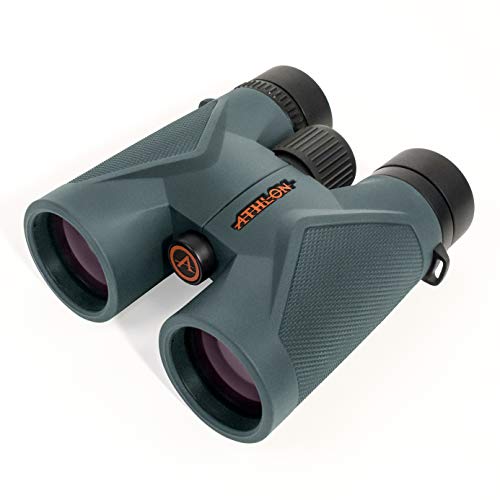
Athlon Optics 8×42 Midas UHD Binoculars


Pankoo 20×55 Binoculars with Phone Adapter
Pankoo 20×55 Waterproof High Powered Binoculars

Celestron Travel Scope 80mm Telescope Kit

Celestron StarSense Explorer LT 80AZ Telescope
Taking A Closer Look At The Options
The Diamondback HD sits at a comfortable middle ground for UK wildlife watchers who want proper optical performance without moving into true flagship pricing. With 10x magnification and 42mm objective lenses (the front glass that gathers light), it pulls in enough detail for a kestrel at 200 metres while staying steady in the hand. Fully multi-coated lenses mean every air-to-glass surface has an anti-reflective layer, which translates to brighter, more contrasty views in low winter light. The rubber-armoured body shrugs off the kind of drizzle you meet on a Pennine ridge.
Compared with the Vortex Crossfire HD also in this list, the Diamondback steps up in glass quality and chassis refinement. It suits birders moving past entry-level models who want something dependable for years of weekend use. You feel the difference when glassing a reedbed at dusk, where colour and contrast matter most.
Where It Helps
- 10×42 configuration balances reach and stability for handheld use in uneven terrain.
- Fully multi-coated optics boost brightness on grey British afternoons when light is scarce.
- Sealed, nitrogen-purged body resists internal fogging between cold mornings and warm cars.
- Rubber armour gives confident grip with cold or wet hands.
Things To Consider
- 10x magnification amplifies hand shake, so a tripod helps for extended viewing sessions.
- Bulkier than 8x models, which can wear on a long hill walk.
Key Specs
Built With In Mind
Intermediate birders and wildlife watchers who want genuine optical quality for everyday field use across the UK.
Reach For A Different Pick When
Step down to the Celestron Nature DX ED 8×42 if steadier handheld views and lighter weight matter more than peak reach.
The Nature DX ED lives in the sweet spot where casual birders and first-time owners land most often. The 8x magnification is the friendliest place to start because the image stays stable even when your hands wobble after a long walk. ED glass (extra-low dispersion glass that reduces colour fringing around high-contrast edges) is a step up from standard optics, so a kingfisher against dark water no longer shows a faint coloured halo. The waterproof housing matters more than people expect in our climate.
Where the Diamondback HD pushes for reach, this Celestron leans toward comfort and forgiveness. Garden twitchers, hide workers, and anyone who walks a local patch at dawn will appreciate the lighter carry. It is the kind of binocular you forget is around your neck.
Everyday Wins
- ED glass reduces chromatic fringing on high-contrast subjects like gulls against bright sky.
- 8×42 layout is lighter and steadier than 10x alternatives for most hands.
- Waterproof and nitrogen-purged build handles British rain without complaint.
- Twist-up eyecups sit comfortably for glasses wearers.
Worth Noting
- Less reach than 10x models, so very distant subjects feel smaller in the view.
- Body styling is functional rather than premium.
Whose Shelf It Belongs On
New birdwatchers and casual nature observers who want forgiving, all-weather optics without a steep learning curve.
Swap It Out When
Choose the Vortex Diamondback HD 10×42 instead if you spend more time scanning open coastlines or wide reservoirs where extra reach pays off.
Bushnell built the Trophy XLT with the kind of broad usability that suits holidays as much as home patch birding. The 6.2-degree angle of view (how wide the scene appears at a standard distance) gives a generous window for tracking a moving subject, which matters when a porpoise surfaces briefly off a Hebridean ferry. The 10×42 optics gather plenty of light for the long evenings you get on northern latitudes in summer.
This is a more travel-leaning pick than the Diamondback HD, trading a touch of premium glass feel for a friendly price and rugged build. Cruise passengers, safari travellers, and hill walkers who want a single pair to handle varied conditions will find it honest workhorse gear. It also stands up to the splash from a kayak or a sudden coastal squall.
Positive Takeaways
- Wide 6.2° field of view makes tracking moving subjects easier.
- Waterproof construction handles spray, rain, and humid decks.
- 10×42 specification suits both daylight landscapes and wildlife spotting.
- Comfortable eye relief (the distance your eye sits from the lens) for spectacle wearers.
Honest Caveats
- Optics are good rather than exceptional, so detail at the edge of the frame softens slightly.
- Slightly heavier than compact 8x models for all-day carry.
- Owners commonly note the included strap is worth upgrading for long sessions.
Best Suited To
Holiday travellers, cruise passengers, and casual outdoors folk who want one versatile pair for many environments.
A Better Fit Elsewhere
Pick the Athlon Optics 8×42 Midas UHD if sharper ED-class optics matter more for serious birding back home.
The 20×55 Pankoo is what you reach for when the goal is simply seeing as far as possible for as little as possible. The 20x magnification pulls in detail most 10x binoculars cannot, which makes it interesting for stadium viewing, coastal scanning, or open moorland work. The 55mm objective lenses (the front glass elements) capture useful light at dawn and dusk, when many cheaper high-power bins fall flat.
Compared with the Celestron Nature DX ED, this pair trades optical refinement for sheer reach. Honest expectation-setting matters here: at 20x, every hand tremor is amplified, so a monopod or stable rest changes the experience completely. For the price, the value is solid for occasional long-range viewing.
The Upside
- 20x magnification reaches distant subjects that 10x bins struggle to resolve.
- Large 55mm lenses support decent low-light performance.
- Waterproof construction for outdoor use in changeable weather.
Trade Offs
- High magnification amplifies shake, so most users need a support for steady images.
- Heavier and bulkier than 8x or 10x alternatives.
- Field of view narrows at 20x, which makes finding fast-moving targets harder.
Quick Facts
The Right Fit
Casual users who want maximum reach on a budget for sports, travel, or occasional long-distance viewing.
Skip It When
Move to the Vortex Diamondback HD 10×42 if image stability and optical refinement matter more than maximum magnification.
The Midas UHD earns its place for owners who care about colour accuracy and edge-to-edge sharpness. UHD extra-low dispersion glass and phase-corrected prisms (optical coatings that align light waves for cleaner contrast) work together to deliver a flatter, cleaner image than standard binoculars in this size. At 25 ounces, it lands in a manageable weight class for full-day carry on a woodland hide.
Where the Bushnell Trophy XLT plays the role of capable all-rounder, the Midas pushes into more serious optical territory. Birders chasing rare warblers, stalkers reading distant deer, and anyone who spends long sessions studying plumage will feel the upgrade. You will not regret owning it.
Bright Spots
- ED glass with phase correction produces cleaner colours and higher contrast.
- 17.2 mm eye relief is generous for spectacle wearers.
- Close focus around 2 m helps with butterflies, dragonflies, and garden birds.
- 8.1° field of view frames scenes comfortably for slow scanning.
Some Limits To Know
- Premium pricing puts it above casual starter bins.
- 8x magnification limits how small a distant subject can appear.
Feature Snapshot
Made For
Dedicated birders and hunters who value optical precision and want a long-serving companion for serious field use.
Look Elsewhere When
Try the Celestron Nature DX ED 8×42 if you want similar handling with a friendlier price tag for casual use.
The Crossfire HD is Vortex’s everyday workhorse, and it lands in a useful spot below the Diamondback HD for shoppers watching their budget. The 10×42 specification matches its bigger sibling, so you do not give up reach, only a touch of optical refinement. The included GlassPak harness is a real perk for anyone who has fumbled with a neck strap on a windy cliff path.
Where the Diamondback HD feels like an enthusiast pick, the Crossfire HD reads as the sensible everyman option. It suits hill walkers, hides, and the kind of weekend use that does not demand flagship glass but still benefits from HD coatings. The harness alone makes it friendlier than most at the price.
A Favorable Mix
- HD optical system improves clarity over standard coatings.
- Included GlassPak harness keeps the binoculars ready for quick deployment.
- Sealed, fog-proof body handles cold starts and damp hides.
- 10×42 layout reaches distant subjects without going to specialist magnification.
Points To Note
- Edge sharpness is good but slightly softer than the Diamondback HD.
- Harness adds bulk some users may not want.
Who It Suits Best
Practical outdoors folk who want reliable HD optics and quick-access carry without paying flagship prices.
Where Another Pick Suits Better
Pick the Vortex Diamondback HD 10×42 if you want a step up in glass quality for serious birding sessions.
This Pankoo variant is built around the idea of capturing what you see, which makes it popular with casual content creators. The 20×55 optical core matches the other Pankoo entries, so you get the same long reach and large front lenses. The included phone adapter clips your handset over one eyepiece, turning the binoculars into a digiscoping setup for a quick clip or photo of a passing raptor.
It is a more playful pick than the Athlon Midas UHD, aimed at people who want to share sightings rather than study them in private. Honest use-case framing helps here: phone adapters introduce alignment friction, and getting a sharp shot takes patience. For travel vlogs and casual recording, it earns its place.
Everyday Advantages
- Includes a phone adapter for casual digiscoping and video clips.
- 20x magnification brings distant subjects within phone-camera range.
- 55mm lenses keep image brightness respectable at moderate power.
Practical Considerations
- Phone alignment takes practice for sharp, well-framed shots.
- Setup is heavier than standard binoculars, less comfortable on long walks.
Perfect Match For
Casual sharers and travel creators who want to record what they see without buying a dedicated scope.
Not Your Match When
Reach for the Vortex Diamondback HD 10×42 if sharp visual observation matters more than capturing footage.
The third Pankoo variant leans harder into low-light and weather performance, which suits dawn hides and damp estuary walks. BAK4 roof prisms (high-grade glass prisms that transmit more light than cheaper BK7 alternatives) and fully multi-coated lenses help the binoculars pull together a brighter image than standard coatings would at this magnification. The waterproof body matches the conditions where this kind of reach actually gets used.
Where the phone-adapter Pankoo is about sharing, this one is about simply seeing farther when conditions turn grey. Compared with the Bushnell Trophy XLT, you trade optical refinement for raw magnification. For wildlife watchers in big landscapes, that trade can pay off.
Positive Points
- BAK4 roof prisms support better light transmission than cheaper prism glass.
- 20x reach makes distant landscape features readable from a single viewpoint.
- Waterproof shell suits coastal and mountain use.
Factors To Consider
- High magnification demands a steady rest for clean views.
- Build quality is solid for the price but not at flagship tier.
Feature Rundown
Right Fit For
Coastal walkers, hide users, and landscape spotters who want reach and weather sealing without flagship cost.
Consider Something Else When
Choose the Athlon Optics 8×42 Midas UHD for steadier handling and cleaner colour rendering in varied light.
The Travel Scope 80 is the option for families who want one kit to cover daytime landscapes and the Moon. The 80mm aperture (the diameter of the main light-gathering lens or mirror, which controls how much detail the scope can resolve) gathers noticeably more light than smaller beginner scopes, so the Moon looks crisp and the brighter planets show shape rather than pinprick dots. The included backpack turns it into a self-contained travel kit.
Compared with the binoculars elsewhere in this list, this is a different kind of tool: longer focal length, tripod-mounted, and best for sky watching rather than handheld walking. For households introducing children to astronomy, it is a gentle entry point without being flimsy.
Real Benefits
- 80mm aperture gathers enough light for clear lunar and planetary viewing.
- Backpack carry system keeps the whole kit portable for trips.
- Includes smartphone adapter for basic astrophotography and sharing.
- Fully coated glass optics deliver respectable image brightness.
Where It May Fall Short
- Requires a tripod, so it is less spontaneous than handheld binoculars.
- Not designed for deep-sky observation beyond the brightest targets.
Who Should Grab It
Families and casual stargazers who want a portable, all-in-one kit for weekends away and back-garden sessions.
Where A Sibling Pick Shines
Choose the Celestron StarSense Explorer LT 80AZ if you want app guidance to find sky targets without learning star charts.
The StarSense Explorer LT 80AZ tackles the most common beginner frustration, which is finding anything in the sky at all. You dock your phone, launch the app, and follow on-screen arrows to real celestial objects. The 80mm refractor (a lens-based telescope that produces upright images and needs little maintenance) shows lunar craters, Saturn’s rings, and Jupiter’s moons with satisfying clarity under dark skies.
Where the Travel Scope 80 relies on you knowing what to point at, the StarSense app acts as a guide for first-time astronomers. Setup is more involved than binoculars, but the payoff is access to objects most beginners would otherwise miss. For a parent introducing a curious teenager to astronomy, it removes a real barrier.
What Helps Most
- Smartphone-guided sky finding removes the steepest part of the learning curve.
- 80mm aperture delivers clean views of the Moon and bright planets.
- Refractor design needs almost no maintenance between sessions.
- App experience feels engaging for younger or first-time stargazers.
Things To Weigh
- Requires a tripod and stable surface for the sharpest views.
- App-guided experience depends on a compatible smartphone.
- Best results come from darker skies away from city centres.
Feature Overview
Who Will Love This
First-time stargazers and curious teens who want help navigating the night sky from day one.
Where A Different Pick Suits
Pick the Celestron Travel Scope 80mm Telescope Kit if you prefer a simpler, backpack-ready setup without app reliance.
What To Weigh Before Choosing Binoculars Uks
Matching Magnification To Your Hand
Magnification and stability are linked in ways shoppers often underestimate. At 8x, most people can hold a steady view while standing still, which makes 8×42 the friendliest choice for casual birding and garden use. At 10x, you get noticeable extra reach for the same 42mm lens size, useful on open coastlines and reservoirs, though hand shake becomes more visible. Step up to 20x, as the Pankoo models do, and you are firmly in rest-assisted territory, where a fence post, monopod, or tripod makes the difference between a usable and an unusable view.
Why Objective Lens Size Matters
The objective lens is the front glass, and its diameter in millimetres controls how much light reaches your eyes. A 42mm objective is the everyday sweet spot for UK birding: bright enough at dawn, compact enough to carry all day. A 55mm lens pulls in more light for low-light use but adds bulk. The 80mm apertures on the Celestron telescopes sit in different territory entirely, gathering far more light for astronomy than any handheld binocular can.
Understanding Coatings And Glass Quality
Coatings sound like marketing, but they have real optical effects. Fully multi-coated lenses have anti-reflective layers on every air-to-glass surface, which lifts brightness and contrast noticeably. ED glass, found in the Celestron Nature DX ED and Athlon Midas UHD, reduces coloured fringing around high-contrast subjects, an upgrade worth chasing if you study plumage. Phase correction on the prisms keeps light waves aligned for cleaner contrast at the centre of the image.
Choosing Between Binoculars And A Telescope
The two Celestron scopes in this list serve a different purpose from the binoculars above. Binoculars are handheld, immediate, and ideal for terrestrial subjects, while a telescope on a tripod reveals lunar craters and Saturn’s rings in ways binoculars cannot. If your interest leans toward the night sky, a telescope pays for itself quickly. For daytime wildlife, binoculars remain the more practical tool. Many households end up wanting both eventually.
Key Considerations Across These Picks
Common Shopping Slip Ups
A frequent mistake is choosing the highest magnification on the assumption that more is always better. At 20x, image stability drops sharply without support, and the narrow field of view makes finding subjects harder. Another slip is ignoring eye relief (the distance from the eyepiece where you can still see the full image), which matters if you wear glasses. Finally, shoppers sometimes overlook weight. A heavy pair carried on a long walk ends up staying in the bag, which defeats the point of buying them.
When Paying More Pays Off
The jump from budget binoculars to mid-tier models like the Vortex Diamondback HD or Athlon Midas UHD brings meaningful gains in brightness, colour accuracy, and edge sharpness. ED glass and phase-corrected prisms cost more for a reason, especially in low light at dawn and dusk, which is when most UK wildlife watching happens. Higher-tier bodies also tend to seal better against rain and fog, so the upgrade pays back over years of regular use rather than in any single session.
Frequently Asked Questions
What magnification is best for general birdwatching?
For most people in the UK, 8x or 10x suits handheld birding best. 8x is steadier and lighter, while 10x reaches a little farther. Magnifications above 10x usually need a support to keep the image still.
Are ED glass binoculars worth the extra cost?
ED glass reduces colour fringing around high-contrast subjects, so a dark bird against a bright sky looks cleaner. For dedicated birders, the upgrade is worth it. Casual users may not notice enough to justify the price gap.
Can I use these binoculars for astronomy?
Handheld binoculars show the Moon, Jupiter’s moons, and brighter star clusters nicely. For deeper sky targets like nebulae and galaxies, a telescope such as the Celestron StarSense Explorer LT 80AZ opens up far more of the night sky.
How do I care for binoculars in wet UK weather?
Look for waterproof, nitrogen-purged bodies that resist internal fogging. Wipe the outer lenses dry after use, store them in a soft case, and avoid touching the lens coatings with bare fingers, since skin oils attract grime.
What is the difference between binoculars and a monocular?
A monocular is one half of a pair of binoculars, lighter and more pocketable, but with the same optical trade-offs. For sustained viewing comfort, especially around the eyes, a full binocular pair usually wins.
Bottom Line
The right binoculars depend on where you point them and how long you carry them. Casual birders and hide workers will feel right at home with the Celestron Nature DX ED or Vortex Crossfire HD. Wildlife watchers who want a sharper image and broader reach should step up to the Vortex Diamondback HD or Athlon Midas UHD. For sheer distance on a budget, the Pankoo 20×55 variants deliver. And when the night sky calls, the Celestron StarSense Explorer LT 80AZ brings it into focus without a steep learning curve. Pick the pair that matches the way you actually spend your weekends, and you will use them for years.