A compact camera that lives in a jacket pocket earns its keep on the road. Your phone already does heavy lifting, sure, but a dedicated point-and-shoot with real optical zoom, longer battery life, and a tactile shutter button changes how you shoot at a market in Marrakech or a trail in Patagonia. These nine picks cover the spread: pocketable compacts, superzoom bridges, rugged waterproof bodies, and a couple of kid-friendly options for family travel.
The Shortlist At A Glance
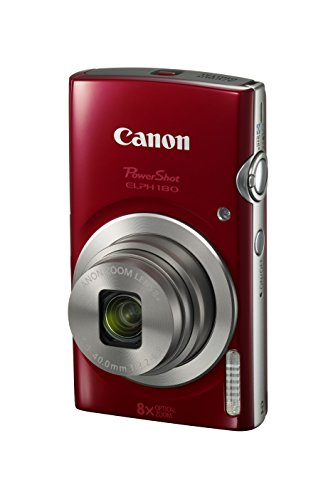
Canon PowerShot ELPH 180 Digital Camera (Red)

BEARBISU 44MP 1080P Point and Shoot Camera (Pink)
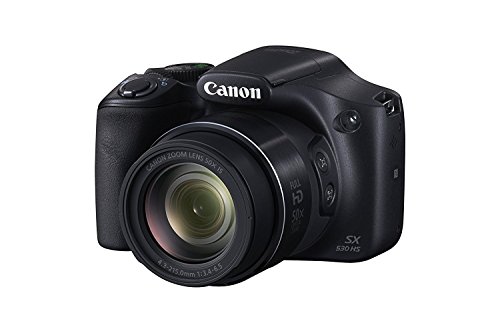
Canon PowerShot SX530 Digital Camera (Black)

Panasonic LUMIX FZ80 4K Digital Camera (Black)

Canon PowerShot SX620 Digital Camera (Black)
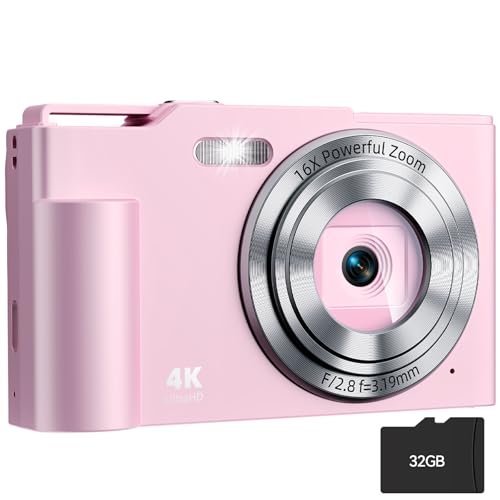
Krlun FHD 4K Compact Digital Camera (48MP)

KODAK PIXPRO WPZ2 Waterproof Digital Camera (Yellow)

Rollei Mini Keychain Digital Camera 1080P

Kodak FZ53-BL Point and Shoot Digital Camera (Blue)
What Each Pick Brings To The Table
The Canon PowerShot ELPH 180 is the kind of camera that quietly fits a trip without ever becoming the trip. Slim enough to slip into a coin pocket, it lands in the hand the way a familiar pen does, and the Smart AUTO mode picks a sensible scene setting for you, which removes one more decision from a long travel day.
For city breaks where you’re hopping between cafés, museums, and evening streets, this is an easy companion. It also pairs nicely with the BEARBISU on our list if you’re buying a starter set for two kids, since both run on the same “press and go” idea.
Strong Points
- 8x optical zoom covers most tourist distances without forcing a lens swap.
- Optical image stabilization reduces blur in handheld low-light shots, which matters at dusk in old towns.
- Lightweight body disappears into a jacket pocket, so it actually gets carried.
- Smart AUTO mode handles scene selection, so a tired traveler doesn’t need to think.
Things To Consider
- The rear LCD is fixed and modest in size, which can feel tight for reviewing shots in bright sun.
- Low-light performance drops quickly compared to larger-sensor picks further down this list.
- Owners commonly report battery life as the main limitation, so a spare cell is sensible on longer trips.
Who It Suits Best
Casual travelers who want a grab-and-go compact for city breaks and everyday moments, with no menu fuss.
Where Another Pick Suits Better
For reach-heavy wildlife or safari-style shooting, the Canon PowerShot SX530 offers far more zoom headroom.
The BEARBISU 44MP point-and-shoot is aimed straight at younger hands. It ships with a 64GB memory card in the box, which removes the most common gift-giving snag, and the menu layout uses big, friendly icons. Compared with the Canon PowerShot ELPH 180, the build is plasticky by design, but that’s the point: lighter, friendlier, harder to break.
For a teen heading off on a school trip or a younger sibling who wants their “own” camera, this covers the basics without intimidating them. The pink shell is also easy to spot at the bottom of a backpack.
The Helpful Details
- Included 64GB card means no extra purchase before first use.
- Anti-shake assist helps younger shooters avoid the blurry-first-day problem.
- 16x zoom gives room for playground and sports-day distance shots.
- 1080p video covers casual clips and short vlogs.
Trade Offs
- Low-light results are limited, so indoor birthday scenes may look grainy.
- Build quality is intentionally light, which is great for small hands and rough for heavy use.
- The 44MP figure is interpolated, so fine detail won’t match a true higher-resolution sensor.
Made For
Kids and teens aged roughly 5 to 13 who want a friendly starter camera for trips and everyday play.
Consider Something Else When
For an adult who actually wants to print large photos, the Panasonic LUMIX FZ80 offers much stronger imaging headroom.
The Canon PowerShot SX530 is the long-reach option in this roundup, and that zoom range is the entire reason to consider it. Where the ELPH 180 stops at 8x, this one stretches to 50x, which pulls distant architecture, harbor seals, and stadium-side sports into a frame your phone can’t reach.
It also brings Wi-Fi and NFC, so moving shots to your phone for a quick Instagram story is faster than fishing for a cable. Compared to the Krlun pocket camera earlier, this is a chunkier bridge-style body, but the trade is worth it if distance matters on your trip.
Real Benefits
- 50x optical zoom covers wildlife, far-off landmarks, and concert seats.
- 16MP sensor handles mixed daylight well, with solid color rendition.
- Full HD video at 30p records travel clips that don’t immediately feel dated.
- Wi-Fi and NFC let you move files to a phone without a cable.
Some Limits To Know
- The zoom is heavy and tripod use helps at the long end, which adds bulk to your kit.
- Low-light performance falls behind the Panasonic LUMIX FZ80 with its brighter lens range.
- The body is noticeably larger than the pocket picks above, so it’s not the camera you forget you’re carrying.
The Right Fit
Travelers who want real telephoto reach for wildlife, sports, and architectural shots without a full DSLR kit.
Look Elsewhere When
If you need 4K video for vlogs or creative work, the Panasonic LUMIX FZ80 is the stronger video pick.
The Panasonic LUMIX FZ80 is the most ambitious camera on this list. Its 60x zoom lens runs from a true 20mm wide-angle to 1200mm telephoto, which means you can shoot a sweeping market scene and then pull in a clock tower two blocks away. The F2.8 starting aperture is brighter than most travel compacts, helping in dim churches or shaded alleys.
Compared with the Canon PowerShot SX530, the FZ80 trades a bit of pocketability for 4K video, a touch-enabled LCD, and stronger low-light reach. For anyone who’s outgrown basic point-and-shoots but doesn’t want a bulky system camera, this is the bridge-style sweet spot.
Well-Handled Touches
- 4K video opens the door to travel clips and short films that hold up on modern screens.
- Power O.I.S. stabilization helps at long focal lengths and during slow panning.
- The wide 20mm end is genuinely useful for cramped interiors and skyline shots.
- Wi-Fi and a touch LCD make framing and sharing quicker than older bridge cameras.
Worth Bearing In Mind
- The body is larger than the Canon SX620, so jacket pockets are out and a small bag is in.
- The lens is fixed, which is also the upside, but creative prime-style shooters may want more.
- Owners commonly report the menu system takes a session or two to learn.
Feature Snapshot
Best Suited To
Travel enthusiasts who want one camera that handles landscapes, wildlife, and 4K video without swapping lenses.
Skip It When
For pure pocket simplicity on a casual weekend, the Canon PowerShot ELPH 180 is a more relaxed choice.
The Canon PowerShot SX620 sits in the middle ground between the slim ELPH 180 and the chunkier SX530. It still slips into a coat pocket, but the 25x optical zoom is a big step up from the 8x of the ELPH, which makes it a strong travel companion for general sightseeing where you’ll want both wide scenes and distant detail.
The Intelligent IS system is the underrated feature here. It picks the right stabilization mode for handheld video, low-light indoor shots, or panning scenes, so you don’t have to dig through a menu while standing on a moving ferry.
Key Advantages
- 25x optical zoom in a body that still fits a coat pocket.
- Intelligent IS adapts stabilization to the scene, which helps handheld video.
- Wi-Fi and NFC simplify photo transfers on the road.
- 20.2MP sensor offers more cropping flexibility than older Canon compacts.
Small Caveats
- No 4K video, so this isn’t the pick for vloggers chasing the sharpest footage.
- Zoom performance falls between the ELPH and the SX530, so it may feel redundant for very specific needs.
- The small sensor struggles in dim restaurants and concert venues.
Who Should Grab It
Travelers who want more zoom than a basic compact, but don’t need a bulky bridge camera in their day bag.
Reach For A Different Pick When
For 4K video or a brighter lens for low-light cities, the Panasonic LUMIX FZ80 is the stronger tool.
The Krlun compact leans into the same family-friendly territory as the BEARBISU, but adds FHD 4K video into the mix. It’s small enough that even younger kids can carry it on day hikes, and the included 32GB card means it’s gift-ready out of the box.
The honest read is that this sits between a toy and a real camera. For a child who is genuinely interested in making short videos, the 4K output is a meaningful upgrade over older 1080p-only kids’ cameras, even if the sensor isn’t going to match a Canon compact.
A Strong Showing
- 4K video gives creative headroom that older kid-targeted cameras lack.
- 16x digital zoom with anti-shake helps with school events and sports days.
- Lightweight shell is comfortable for smaller hands.
- Bundled 32GB card covers a first trip without extras.
Less Ideal Details
- The 48MP figure is interpolated, so don’t expect true DSLR-style detail.
- Low-light scenes look noisy, which shows up at birthday parties and evening outings.
- Build is plasticky by design, so rough drops are a real risk over time.
Perfect Match For
Parents looking for a low-cost, easy-to-handle camera for a kid who wants to shoot both photos and video.
A Better Fit Elsewhere
For an adult who wants a serious travel tool, the Canon PowerShot SX530 has stronger optics.
The KODAK PIXPRO WPZ2 is the camera to grab when the trip gets wet. Rated waterproof to 15 meters, sealed against dust, and built to handle drops, it’s designed for the parts of travel where a normal compact would panic: snorkeling days, river kayaking, snowy slopes, sandy beaches.
The 4x zoom is modest next to the long-reach Canon and Panasonic picks above, but that’s the trade for a sealed body. The bright yellow shell also makes it easy to spot on a towel or in a dry bag, which is one of those small real-world wins people don’t think about until they’ve lost a black camera in the grass.
A Few Strong Suits
- Waterproof to 15m, which covers most snorkeling and pool use cases.
- Sealed, dustproof body shrugs off beach and trail grit.
- Bright color makes the camera easy to find in a bag or on a rock.
- Compact enough to slip into a beach tote without dedicated space.
Honest Caveats
- 4x zoom is limited compared to bridge cameras on this list, so distant shots feel cropped.
- 16MP sensor is good for daylight, but struggles as the sun drops.
- Image quality won’t match a non-rugged compact of similar price in calm conditions.
Quick Facts
Who Will Love This
Beach, snorkeling, and outdoor travelers who need a sealed camera that survives water, sand, and rough handling.
Swap It Out When
For city trips with no water exposure, the Canon PowerShot SX620 gives you better zoom and image quality for the money.
The Rollei Mini is a category of its own. At roughly 18 grams and small enough to clip onto a backpack strap, it’s the camera you forget you have, until the moment you actually need it. It’s aimed at casual shooting for families, hikes, and very lightweight vlogging rather than serious imaging.
Think of it as a fun sidekick rather than a primary travel camera. Compared with the BEARBISU and Krlun kids’ cameras, the Rollei trades features for portability, and you may find the photo resolution too modest for prints, but the convenience factor is real.
The Good Stuff
- Featherweight body clips to bags, lanyards, and belt loops.
- 1080p video covers simple clips and social posts.
- Low cost makes it easy to hand off to a curious child without worry.
- Simple controls keep setup to almost zero.
Where It May Fall Short
- 2MP photos are fine for sharing, but limited for cropping or large prints.
- Image quality is clearly behind any of the Canon or Panasonic compacts above.
- Small controls and screen make framing less precise than larger cameras.
Built With In Mind
Casual travelers and families who want a fun, ultra-portable camera for everyday moments and short vlogs.
Another Choice May Suit
For meaningful image quality in a still-tiny body, the Canon PowerShot ELPH 180 is the more grown-up pocket option.
The Kodak FZ53 rounds out the list as a no-nonsense point-and-shoot with a 28mm wide-angle lens. For travelers who mostly shoot people, food, and street scenes at arm’s length, that wide starting focal length is more useful than a long zoom you rarely push past halfway.
It also runs on a rechargeable lithium-ion battery, which is a small but meaningful upgrade over older AA-powered compacts, since you can top up from any USB battery pack on the road. The blue shell is a quiet personality touch in a sea of black cameras.
Notable Upsides
- 28mm wide-angle lens suits indoor and street shooting.
- Rechargeable battery is easy to top up from a power bank.
- One-touch HD video captures quick clips without menu diving.
- Multiple scene modes help newer shooters match conditions.
Things To Weigh
- No Wi-Fi, so transferring files means a cable or card reader.
- Sensor size and zoom reach trail the Canon PowerShot SX620.
- Low-light performance is modest, which shows in dim restaurants.
Whose Shelf It Belongs On
Travelers who want a fuss-free wide-angle compact for everyday people-and-place shots.
Not Your Match When
For long-zoom travel days, the Canon PowerShot SX530 reaches much farther for the same effort.
What Matters Most Before Choosing Budget Cameras For Travelling
Zoom Range Versus Pocket Size
The biggest trade in this category is between zoom reach and portability. A pocket compact like the Canon PowerShot ELPH 180 travels light but tops out around 8x zoom. A bridge camera like the Panasonic LUMIX FZ80 reaches 60x but lives in a small bag. For mostly street and food photography, wide-angle coverage matters more than zoom, which favors picks like the Kodak FZ53. For wildlife or stadium-style distance, zoom wins, which points to the SX530 or SX620.
Image Stabilization For Handheld Shooting
At long focal lengths or in dim light, shake is the difference between a sharp photo and a deleted one. Optical image stabilization, which physically moves lens elements to counter hand motion, is the standard worth prioritizing. The Canon PowerShot ELPH 180 and SX620 both include optical stabilization, while the Panasonic FZ80 uses its own Power O.I.S. system. If you regularly shoot indoors, at dusk, or at the long end of a zoom, treat stabilization as a must-have rather than a nice-to-have.
Video Resolution And Connectivity
If you want clips that hold up on modern phones and laptops, 4K is worth the jump. Only the Panasonic LUMIX FZ80 and the Krlun 4K compact in this roundup record at that resolution, while the rest stay at 1080p. Wi-Fi and NFC, found on the Canon SX530, SX620, and Panasonic FZ80, make file transfer far easier when you don’t want to dig out a cable at the end of a long day.
Build And Environment
Waterproofing, shock resistance, and dust sealing matter as soon as your trip leaves the city. Beach holidays, sailing, and hiking pull the KODAK PIXPRO WPZ2 to the top of the shortlist, while urban sightseeing has no such requirement. For kids or shared cameras, lighter plastic builds like the BEARBISU and Krlun are easier to hand off without worry.
Key Considerations Across These Picks
Pitfalls Shoppers Hit
A common misstep is buying a camera with a huge megapixel count and assuming that means better photos. On small-sensor compacts, those numbers are often interpolated, and real detail depends on the sensor size and lens quality. Another trap is overlooking storage: many budget cameras don’t include a memory card, so the BEARBISU and Krlun stand out by shipping with one. Finally, shoppers sometimes ignore battery type and end up stranded with a sealed cell they can’t swap on the road, while a pick like the Kodak FZ53 with a rechargeable lithium-ion battery is friendlier to top up from a power bank.
Where The Extra Money Goes
Stepping up to a higher-tier travel camera typically buys you a brighter lens, a larger sensor, longer zoom, and 4K video. The Panasonic LUMIX FZ80 shows that jump well: a brighter F2.8 starting aperture helps in low light, the 60x reach covers more scenes, and 4K recording future-proofs your clips. For casual phone-grade travel snapshots, the extra money isn’t necessary, but for anyone planning to print, crop, or edit, the upgrade pays off through better optics and stronger video.