You want stars sharp enough to count, skies deep enough to fall into, and a lens that doesn’t fight you at 2 a.m. on a cold ridge. Picking glass for astrophotography feels like chasing a moving target: you need wide enough to swallow the Milky Way, fast enough to grab every photon, and steady enough to survive a long exposure on a windy night. The list below sorts through ten solid options across formats and budgets, so you can match a lens to the camera already on your tripod and the sky you actually shoot.
The Main Contenders

Sigma 16mm f/1.4 DC DN Contemporary Lens for Sony E

Nikon NIKKOR Z 135mm f/1.8 S Plena Lens

Sigma 16mm f/1.4 (C) AF DC DN Lens for Canon EF-M

Canon EF 16-35mm f/4L IS USM Lens

Canon EF 50mm f/1.8 STM Lens

Canon EF-S 24mm f/2.8 STM Lens

Fujifilm Fujinon XF 16mm F1.4 R WR

Sony 14mm f/1.8 G Master E-Mount
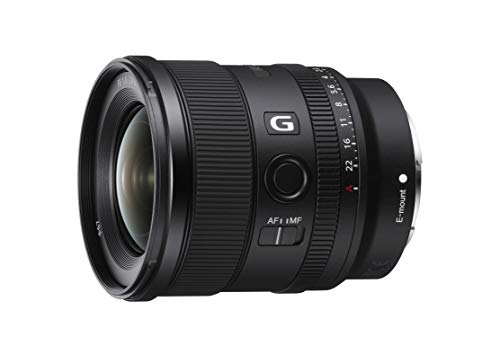
Sony FE 20mm F1.8 G

Sigma 150-600mm 5-6.3 DG OS HSM Contemporary for Nikon
A Closer Look At Each Pick
The Sigma 16mm f/1.4 DC DN Contemporary is the kind of wide-angle that disappears on a mirrorless body, which matters when you’re hiking to a dark site before moonset. Built for Sony E-mount cameras, the optical formula uses 16 elements in 13 groups and a bright f/1.4 aperture that pulls in starlight faster than the typical kit lens. The compact size means it pairs well with smaller APS-C bodies for a balanced rig on a star tracker.
What separates this lens from cheaper wide primes is the stepping motor, which drives fast, quiet autofocus (AF) for video and snaps onto stars with confidence during the day. A 9.8-inch minimum focusing distance gives you room for close foreground subjects in night compositions. Compared to the larger Nikon 135mm Plena later in this list, this Sigma covers a much wider field at the cost of subject isolation.
Everyday Wins
- Wide 16mm focal length swallows the Milky Way core in a single frame
- f/1.4 aperture gathers more light than typical kit zooms, shortening exposure times
- Compact housing balances well on smaller Sony bodies for long tripod sessions
- Stepping motor runs smooth and quiet during AF transitions and video capture
- Dust- and splash-resistant build handles dewy grass and overnight cold
Things To Consider
- APS-C coverage means the angle feels tighter than full-frame ultrawides
- Owners commonly report mild coma (elongated star trails near frame edges) wide open, requiring stopping down for the cleanest stars
Who It Suits Best
Travelers and Sony E shooters who want a portable wide prime for both night skies and street work.
Where Another Pick Suits Better
The Sony 14mm f/1.8 G Master is a stronger match when you need full-frame coverage and cleaner corner stars at f/1.8.
The NIKKOR Z 135mm f/1.8 S Plena is Nikon’s love letter to a focal length that portrait shooters and astrophotographers both revere. Built for Z-series mirrorless cameras (Nikon’s modern mirrorless system, replacing the older F-mount DSLRs), it delivers edge-to-edge sharpness wide open, a rare feat for a fast 135mm prime. The optical design aims for buttery circular bokeh (the aesthetic quality of out-of-focus highlights), making pinpoint stars render as soft circles rather than harsh hexagons.
Where the Sigma 16mm earlier in the list pulls in a huge swath of sky, this Plena tightens the frame to individual deep-sky targets like the Pleiades or the Andromeda Galaxy. The f/1.8 aperture pulls in enough light to keep ISO (camera sensor sensitivity) values reasonable on a tracker. Build quality matches Nikon’s S-line tier, with weather sealing and a satisfying manual-focus ring that glides for fine star centering.
Where It Delivers
- Edge-to-edge clarity at f/1.8 keeps stars crisp across the entire frame
- Circular bokeh renders point light sources as pleasing soft circles
- 135mm focal length isolates deep-sky objects without an extender
- S-line construction handles cold-weather shoots without flex or play
Worth Noting
- Long focal length demands a precise star tracker or extremely short exposures to avoid trailing
- Heavier than wide-angle primes, tipping smaller travel tripods past their comfort zone
- Nikon Z mount only; adapters limit autofocus performance on other systems
Made For
Serious Nikon Z shooters chasing tight deep-sky targets and portrait-grade bokeh in one lens.
Consider Something Else When
The Sigma 16mm f/1.4 DC DN Contemporary is a better fit when you want sweeping Milky Way arcs without a tracking mount.
Sigma’s 16mm f/1.4 Contemporary in Canon EF-M mount is a budget-friendly doorway into wide-field night photography. Designed for Canon’s EF-M mirrorless system (used on M-series cameras like the M50 and M6), it brings the same fast aperture as the Sony version earlier in the list to a different mount family. The bright f/1.4 maximum aperture is the headline feature, helping APS-C shooters collect starlight in dim conditions.
The optical construction stays in step with the rest of Sigma’s Contemporary line: portable enough for travel, sharp enough to resolve star clusters near the center of the frame, and quiet enough for casual video. Selective focus at f/1.4 lets you blur foreground distractions while keeping celestial subjects crisp. Canon EOS M shooters looking for a wide astro option usually land here because the native alternatives are slim.
What Earns Its Place
- f/1.4 aperture cuts required ISO in dim night conditions
- Wide 16mm angle on APS-C covers big Milky Way spans
- Native Canon EF-M mount keeps autofocus functional
- Lower cost than most full-frame ultrawide primes
Trade Offs
- EF-M mount limits future upgrades; many shooters outgrow the system
- Edge sharpness at f/1.4 drops off, which matters for full-sky panoramas
- No weather sealing, so heavy dew demands a cover or hand protection
Right Fit For
Canon EOS M owners who want a fast, affordable wide lens for nightscapes without breaking the bank.
Look Elsewhere When
Full-frame Canon shooters should look at the Canon EF 16-35mm f/4L IS USM for broader compatibility.
The Canon EF 16-35mm f/4L IS USM sits in Canon’s L-series (their professional-grade lens line), built for full-frame EOS DSLR bodies. Unlike the fixed Sigma primes earlier, this zoom covers the wide-angle range most landscape and astro shooters need in one twist of the barrel. Optical image stabilization (IS) is built in, rated for up to four stops of correction, which helps daytime handheld work and short astro exposures on sturdy tripods.
The optical design incorporates aspheric elements (lens pieces with non-spherical curves that correct distortion) to control distortion across the zoom range, and the L-series build shrugs off light rain and dust. For astro use, the f/4 maximum aperture trades some light-gathering for zoom flexibility. That tradeoff pays off when you want to frame constellations, mountain silhouettes, and horizon detail without swapping lenses in the cold.
The Value In It
- Zoom range covers wide-angle compositions without lens swaps
- Optical stabilization helps handheld twilight work and low-shutter astro trials
- L-series weather sealing handles damp nights and dusty trails
- Aspheric elements reduce distortion at the wide end of the zoom
Room For Improvement
- f/4 maximum aperture is slower than the f/1.4–f/1.8 primes in this list
- DSLR mount only; Canon RF mirrorless shooters need an adapter or a different lens
- Bulkier than a single focal-length wide prime
Feature Snapshot
Best Suited To
Canon DSLR shooters who want one lens for landscapes, cityscapes, and the occasional Milky Wide frame.
A Better Fit Elsewhere
Sony E shooters chasing maximum light should reach for the Sony 14mm f/1.8 G Master instead.
The Canon EF 50mm f/1.8 STM is the lens that quietly teaches a generation of photographers what a fast prime can do. Designed for Canon EOS DSLR cameras, the 50mm focal length lands at a “natural” field of view that doubles as a portrait lens and a creative astrophotography tool. The f/1.8 aperture lets in enough light for night scenes, especially when stacked into panoramas.
The stepping motor (STM) on this generation runs smoother and quieter than the older “nifty fifty” with a micro motor, which makes video work less jarring. At a minimum focusing distance of about 1.15 feet, it isn’t a macro lens, but it gets close enough for foreground interest during twilight. Astrophotographers often pair it with another wide prime on a second body to capture sweeping multi-row panoramas.
Features That Help
- f/1.8 aperture gathers enough light for short astro exposures
- Lightweight plastic build keeps travel bags manageable
- Standard 50mm focal length works as a daily portrait lens
- STM motor delivers quiet, smooth autofocus for video
Small Caveats
- 50mm is narrower than typical wide-field astro compositions
- Plastic mount feels fragile over years of heavy use
- No weather sealing, so humid nights risk condensation on internal elements
Who Will Love This
Beginners with a Canon DSLR who want the cheapest entry into shallow depth-of-field and night shooting.
Skip It When
The Sigma 16mm f/1.4 DC DN Contemporary suits better for wide-field Milky Way arcs on a Sony body.
Canon’s EF-S 24mm f/2.8 STM earns its pancake nickname by sitting nearly flush against APS-C DSLR bodies. The 24mm focal length is equivalent to about 38mm on a full-frame camera, which gives a comfortable moderate-wide angle for nightscapes, casual portraits, and travel scenes. The f/2.8 aperture is slower than the f/1.4 primes earlier in the list, but it still opens wider than most kit lenses.
For astrophotography, this lens works best as a casual entry point or as a backup wide on a multi-camera setup. A seven-blade circular aperture rounds off-of-focus highlights for pleasant bokeh. The slim profile means it slips into jacket pockets on short hikes, which is a real advantage when you are racing sunset to set up before twilight fades.
Notable Gains
- Slim pancake design barely adds bulk to small DSLR bodies
- f/2.8 aperture beats typical 18-55mm kit zooms at the wide end
- Lightweight build won’t overbalance lightweight travel tripods
- Full-time manual focus override for precise star centering
Points To Note
- f/2.8 is slower than the f/1.4–f/1.8 dedicated astro primes in this list
- EF-S mount only fits Canon’s smaller-sensor DSLRs, not full-frame bodies
Perfect Match For
Casual Canon APS-C shooters who want a pocketable wide lens for hikes and weekend nightscapes.
Reach For A Different Pick When
The Canon EF 16-35mm f/4L IS USM makes more sense for serious full-frame Canon DSLR nightscape work.
The Fujifilm XF 16mm F1.4 R WR is the wide-angle workhorse for Fujifilm X-series shooters who shoot in rough conditions. The “WR” in the name stands for weather resistant, which means seals at key points to keep light rain and dust out. On Fujifilm’s APS-C bodies, 16mm translates to about 24mm in 35mm equivalent, a versatile wide for landscapes, environmental portraits, and nightscapes.
The f/1.4 maximum aperture is the headline feature, putting this lens in the same light-gathering class as the Sigma Contemporary primes earlier in the list. A minimum working distance under six inches enables dramatic close-up compositions with creamy bokeh. The optical design emphasizes sharpness across the frame, and the build quality handles cold-weather shoots in places where condensation would punish lesser glass.
The Upside
- Weather sealing protects against dew, drizzle, and dust during overnight shoots
- f/1.4 aperture collects light efficiently for short star-trail exposures
- Sharp optical formula handles Fujifilm X-Trans sensor demands
- Close minimum focus distance enables creative foreground compositions
Potential Drawbacks
- Larger and heavier than the pancake Canon EF-S 24mm earlier in this list
- Native Fujifilm X mount only; no compatibility with other systems
- Edge performance wide open may require stopping down for the cleanest stars
Whose Shelf It Belongs On
Fujifilm X shooters who hike into cold, damp, or dusty locations and need a fast wide that can take it.
Swap It Out When
The Sony 14mm f/1.8 G Master makes more sense for Sony E shooters chasing maximum corner sharpness at f/1.8.
Sony’s 14mm f/1.8 G Master is the ultrawide astro specialist many Sony shooters end up eyeing. The “G Master” label signals Sony’s top optical tier, with two XA (extreme aspherical) elements (precision-ground lens surfaces that minimize distortion) pushing resolution corner-to-corner. Full-frame coverage means the 14mm angle stays genuinely wide on E-mount bodies like the a7 and a9 series.
Two XD linear motors handle focus with speed and silence, which matters for video shooters who also want the same lens for run-and-gun documentary work. The f/1.8 maximum aperture gathers enough light to keep ISO manageable on starry scenes, and the optical formula keeps stars tight even near the edges of the frame. Compared to the 20mm f/1.8 G later in this list, this 14mm trades a tighter angle for a wider canvas.
The Good Stuff
- Edge-to-edge sharpness at f/1.8 reduces post-processing cleanup for stars
- Full-frame 14mm coverage captures sweeping Milky Way arcs
- XD linear motors run fast and quiet for video transitions
- Compact for its class, balancing well on full-frame Sony bodies
Honest Caveats
- Bulbous front element limits use of traditional screw-in filters without a large holder
- Premium pricing puts it above most casual hobbyists’ range
- Wide 14mm angle exaggerates foreground placement, demanding careful composition
Feature Snapshot
Built With In Mind
Serious Sony E-mount shooters chasing maximum edge sharpness and full-frame coverage for nightscape work.
Not Your Match When
Travelers wanting a lighter carry should consider the Sony FE 20mm F1.8 G instead.
The Sony FE 20mm F1.8 G earns its place as a versatile wide prime for full-frame E-mount shooters. The 20mm focal length sits between the classic 24mm and the more extreme 14mm G Master earlier in this list, giving a slightly tighter crop that frames subjects without distortion-heavy compositions. At f/1.8, the aperture gathers enough light for starry-night scenes without weighing down your camera bag.
XD linear motors drive the autofocus, keeping transitions smooth and silent for both stills and video. The lightweight build favors gimbal work and handheld run-and-gun, which makes this lens popular with vloggers and documentary shooters. Compared to the Sigma 16mm Contemporary at the top of this list, the FE 20mm trades some width for full-frame coverage and Sony’s G-series optical refinements.
Where It Helps
- 20mm field of view suits environmental portraits and wide scenes
- f/1.8 aperture balances light gathering with manageable size
- Lightweight build balances well on gimbals and compact bodies
- XD linear motors enable quiet, accurate autofocus for video
Some Limits To Know
- 20mm is less dramatic than a 14mm for capturing the full Milky Way arc
- Corner sharpness wide open lags behind the more expensive 14mm G Master
- Regional availability occasionally varies by market
The Right Fit
Hybrid Sony E creators who split nights between astro shoots, street work, and video content.
Where A Sibling Pick Shines
The Sigma 16mm f/1.4 DC DN Contemporary is a stronger match when APS-C reach and lower weight matter most.
The Sigma 150-600mm 5-6.3 DG OS HSM Contemporary is a hyper-telephoto zoom that steps outside the wide-angle comfort zone and into lunar and deep-sky territory. Built for Nikon F-mount DSLR cameras, it spans 150mm to 600mm with a variable maximum aperture of f/5 to f/6.3. The OS (Optical Stabilization) and HSM (Hyper Sonic Motor) pairing helps track distant subjects handheld in twilight, though tripods remain essential at the long end.
For astrophotography, this lens shines when the moon rises in detail or when you frame tight on deep-sky objects like the Orion Nebula. A minimum focusing distance of around 110 inches keeps distant galaxies as the primary subject. Compared to the fast primes earlier in this list, the 150-600mm trades light gathering for reach, making it the right tool for a different kind of night shoot.
Strengths Worth Knowing
- 150-600mm range reaches the moon and deep-sky targets without an extender
- Optical stabilization helps handheld twilight framing
- Lightweight build for its class, easier on support gear than older Sigma telezooms
- Dust- and splash-proof mount seals a vulnerable connection point
Less Ideal Details
- Variable f/5-6.3 aperture is much slower than the f/1.4–f/1.8 primes in this list
- Long focal length demands a sturdy tripod and precise tracking to avoid star trails
- Nikon F-mount only; mirrorless Nikon Z shooters need an FTZ adapter
Who Should Grab It
Nikon DSLR shooters chasing detailed moon shots and distant deep-sky targets from a fixed tripod.
Another Choice May Suit
The Nikon NIKKOR Z 135mm f/1.8 S Plena fits better when fast aperture and edge sharpness on a Z body matter more than zoom reach.
Picking Glass That Actually Suits Your Sky
A few attributes quietly decide whether a lens feels like a friend or a frustration on cold, dark shoots. Wide-angle focal lengths (under 24mm full-frame equivalent) make framing the Milky Way core and auroras easier without star trailing. Fast apertures (the f-number, where lower values mean more light) gather photons faster, which keeps ISO down and shutter times short when the sky keeps moving.
If you chase the Milky Way or auroras, anything below 24mm full-frame equivalent with f/2.8 or wider covers most scenes. If you chase the moon, planetary details, or distant deep-sky objects, longer focal lengths from 135mm upward make more sense. For beginners, an f/2.8 or faster wide prime teaches the basics without breaking the bank.
Lens mount compatibility matters as much as the glass itself. Sony E, Nikon Z, Canon RF, Fujifilm X, and Canon EF mount lenses each lock you into a system. Check that the lens you like fits your camera body, and consider whether you plan to upgrade bodies within the same family before you commit to a specific mount.
Weather sealing earns its keep overnight. Dew forms on cold glass faster than you’d think, and a sealed mount plus front coating helps the lens survive temperature swings. Storage and transport matter too: a hard case or padded pouch protects the front element during bumpy hikes.
Key Considerations Across These Picks
Common Shopping Slip Ups
Newcomers often chase the widest aperture without checking mount compatibility, ending up with a beautiful lens that won’t fit their camera. Verify your mount before you fall in love with a focal length. Stopping down a wide prime by one or two stops often improves star shape, so an f/2.8 lens used at f/3.5 frequently outperforms a cheaper f/1.4 wide open. Read recent owner feedback about autofocus behavior in low light, since some lenses hunt visibly against dim stars.
Where The Extra Money Goes
Premium lenses like the Sony 14mm f/1.8 G Master and the Nikon NIKKOR Z 135mm f/1.8 S Plena earn their higher cost through better optical formulas, faster and quieter focus motors, and tougher weather sealing. Edge sharpness at wide apertures is the most visible payoff, since cheaper primes often smear stars in the corners. The upgrade is worth it once you print large, crop tight, or stitch panoramas where edge quality becomes obvious.
Frequently Asked Questions
What focal length works best for Milky Way photography?
Focal lengths between 14mm and 24mm (full-frame equivalent) cover the widest sweep of sky without excessive distortion, making them the most flexible range for Milky Way arcs and core shots.
Do I need a fast aperture for astrophotography?
Apertures of f/2.8 or faster gather enough light to keep exposures short and ISO values reasonable, which reduces noise and star trailing during longer sessions on a fixed tripod.
Can I use a DSLR lens on a mirrorless camera?
Many DSLR lenses mount to mirrorless bodies via brand adapters, often with full autofocus support, though some functions like eye-detect AF may be slower or unavailable.
Are weather-sealed lenses necessary for night photography?
Weather sealing protects against dew, frost, and light drizzle during long exposures, and it extends lens life if you frequently shoot in damp or cold environments.
How important is image stabilization for astro work?
Stabilization helps framing and short tripod exposures but cannot counter Earth’s rotation during long exposures, so a star tracker or short shutter times still matter most.
Wrap Up
Your perfect astro lens depends less on a list than on the camera in your hand and the sky you actually shoot. Match the mount first, then the focal length, then the aperture that fits your tripod and tracker setup. Run a few test frames before committing to a long session, and remember that a fast wide prime on a sturdy tripod will outwork a slow zoom in most cases. The right glass turns a cold, dark night into a frame worth framing.